
Teaching labs live in a world of their own: 60 students, 12 workstations, one budget line that never stretches far enough, and equipment that gets treated with the exact care you would expect from people learning what a fume hood is for. I managed consumables for a second-year organic chemistry course for three years, and the lessons were mostly learned by running out of things. Here is the framework I wish I had on day one.
The Short Answer
Choose teaching-lab consumables on four axes: safety first (PPE and containment items are never the place to save), student-proof durability (the glassware that survives term after term beats the glassware that survives one), volume economics (per-student costs multiply fast across cohorts), and reliability of supply (a consumable that arrives late costs a whole practical session). Buy the basics in bulk on term cycles, standardize SKUs so teaching staff never need to choose between similar items mid-class, and track consumption per session so next term’s order comes from data instead of memory.
Start From the Session, Not the Catalog
The mistake I made first: I ordered by catalog category. Beakers, test tubes, gloves, done. The better unit of planning is the teaching session itself. Sit with one practical script and list every consumable it touches from bench setup to cleanup.
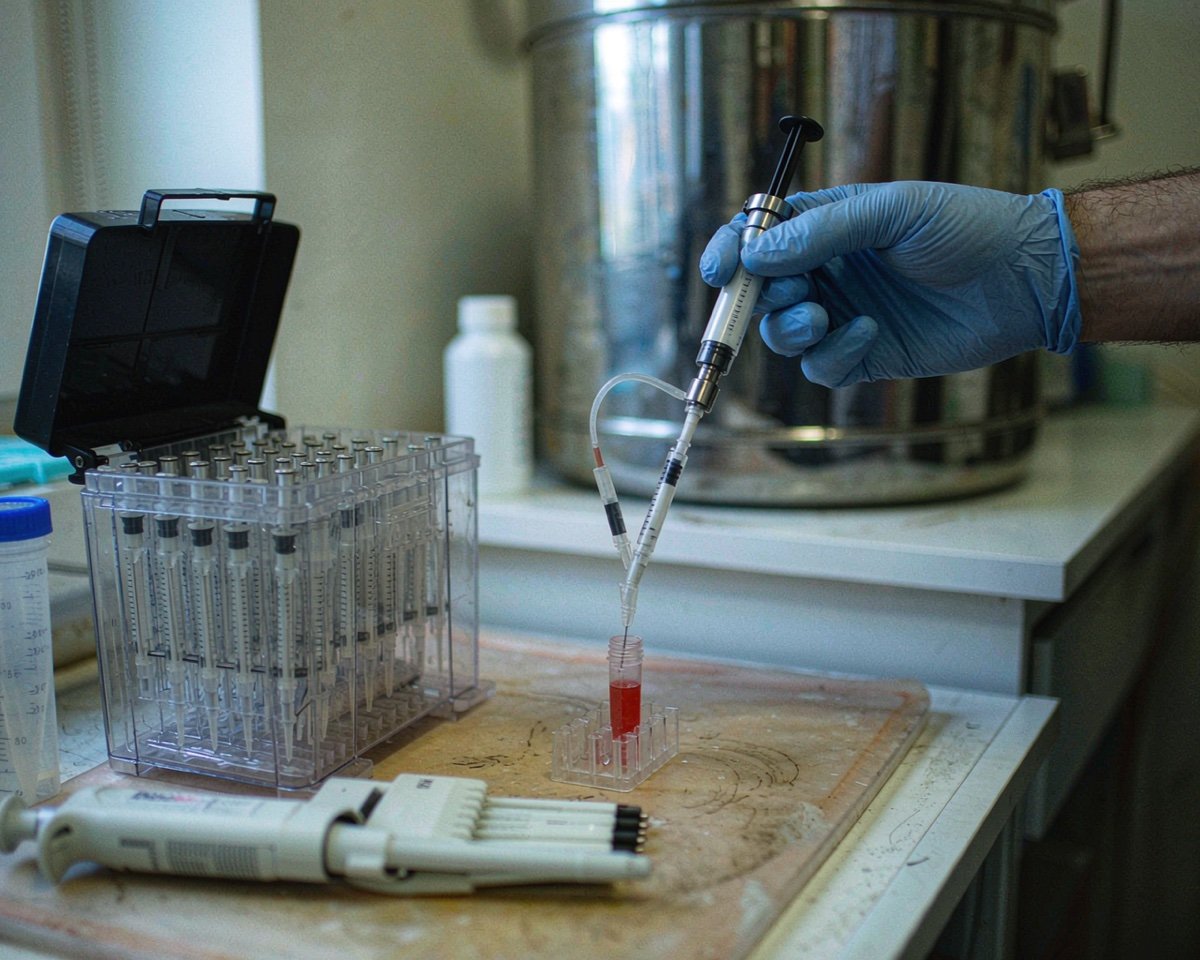
If you want a catalog-style starting point, the university lab consumables checklist from Livingstone International covers the standard categories room by room. A typical undergraduate organic session consumes: weigh boats, spatulas, Pasteur pipettes, TLC plates and chambers, melting point capillaries, drying tubes, sample vials, gloves, and paper towels. Multiply by 60 students and two repeats for breakage, and the session cost is visible for the first time. That visibility changes conversations with the department, because “consumables” as one foggy line becomes “£4.30 per student per session”, which is a number people can act on.
Safety Consumables: Never the Bargain Bin
Safety items deserve a hard rule: buy the rated version, always.
The OSHA laboratory standard (29 CFR 1910.1450) requires a chemical hygiene plan and appropriate protective equipment wherever hazardous chemicals meet employees, and the same logic extends to students in teaching labs under institutional policy. The OSHA occupational exposure standard text is the anchor document if you need to justify the line item.
Practical translations:
- Nitrile gloves in enough sizes that nobody wears a too-large pair while handling glassware. Powder-free, with a written chemical-compatibility note for the solvents your course actually uses.
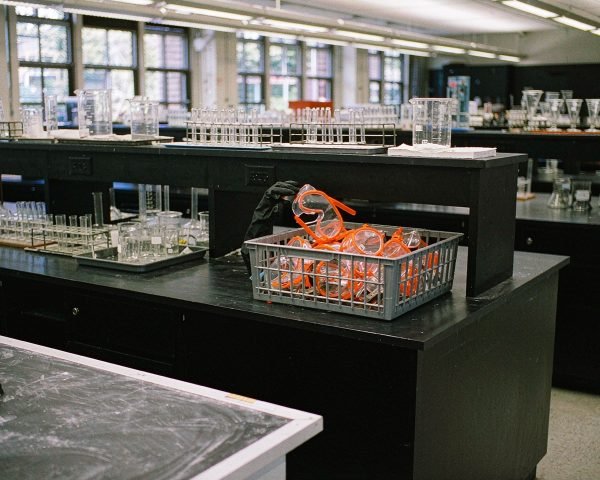
- Splash goggles, not safety glasses, for any acid or base work. Buy spare goggles; they vanish.
- Sharps and broken-glass containers at each room, not one per floor.
Durability Economics: Glassware That Survives Students
Here is the counterintuitive part: for teaching labs, over-engineered glassware is usually the economical choice. Research-grade borosilicate that costs 30% more per beaker but survives four terms beats the economy beaker that survives one. Breakage is the real price driver, not the sticker.
Two buying rules that paid off for us:
- Thicker walls for student-grade glassware. Thin-wall economy flasks shatter when a student sets them down like they set down their phone.
- Standardize one thread and one size per purpose. When every sample vial in the room is the same 9 mL screw-cap type, lost caps get replaced from the spare bin and nothing gets jammed together wrong.
Bulk Buying on the Term Cycle
Teaching runs on the academic calendar, so purchasing should too. The centralized approach works: one university pharmacy department documented a 10% reduction in procurement cost after centralizing chemicals and consumables management, largely through bulk purchasing and annual price agreements; the Times Higher Education campus article on centralising chemicals management breaks down how they did it.
The teaching-lab version:
- Order per term, not per week. One consolidated order per session block beats twelve small ones on freight and administrative time.
- Price-agree the stable SKUs (gloves, pipettes, weighing paper) annually with one or two suppliers.
- Keep a small buffer stock (10-15%) for breakage spikes and schedule overruns, but resist over-stocking anything with an expiry date.
Our article on 10 lab consumables every new lab needs on day one overlaps with this list if you are setting up from zero.
Reliability of Supply Beats Marginal Price
A missed delivery cancels a session. That cost dwarfs any per-unit saving from an unreliable source. For each consumable your course cannot run without (TLC plates, capillaries, gloves), identify a backup source and a reorder trigger well before you need either.
The trigger I settled on: reorder when stock reaches one full session’s worth plus one week. That covers a normal lead time plus a lost session’s buffer, and it means the decision is automatic rather than a Friday-afternoon panic.
If you are formalizing this, our guide on the 7 signs you need to reorder your consumables gives you the early-warning list, and the lab consumables procurement guide for managers covers the framework at program scale.
Managing the Student Factor
Students are the variables no catalog accounts for. Three mitigations that worked:
- Pre-portion consumables per station. A labeled bin per workstation with that session’s exact vials, pipettes, and weigh boats turns setup from a scavenger hunt into a handout. It also makes missing items obvious before the session starts, not ten minutes in.
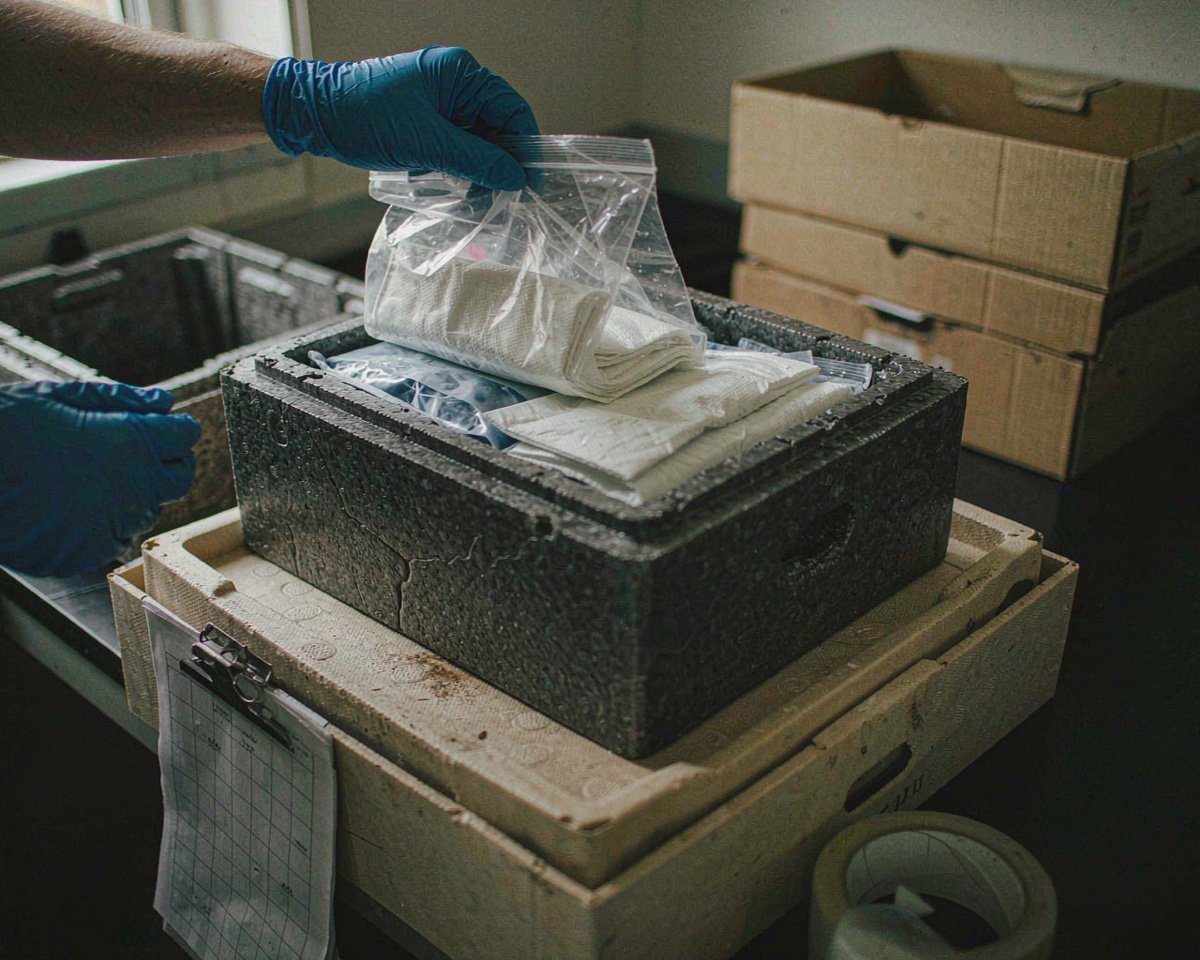
- Track consumption per session. A clipboard tally of what each session actually used becomes next term’s order sheet. One term of data beats any supplier’s suggested quantity.
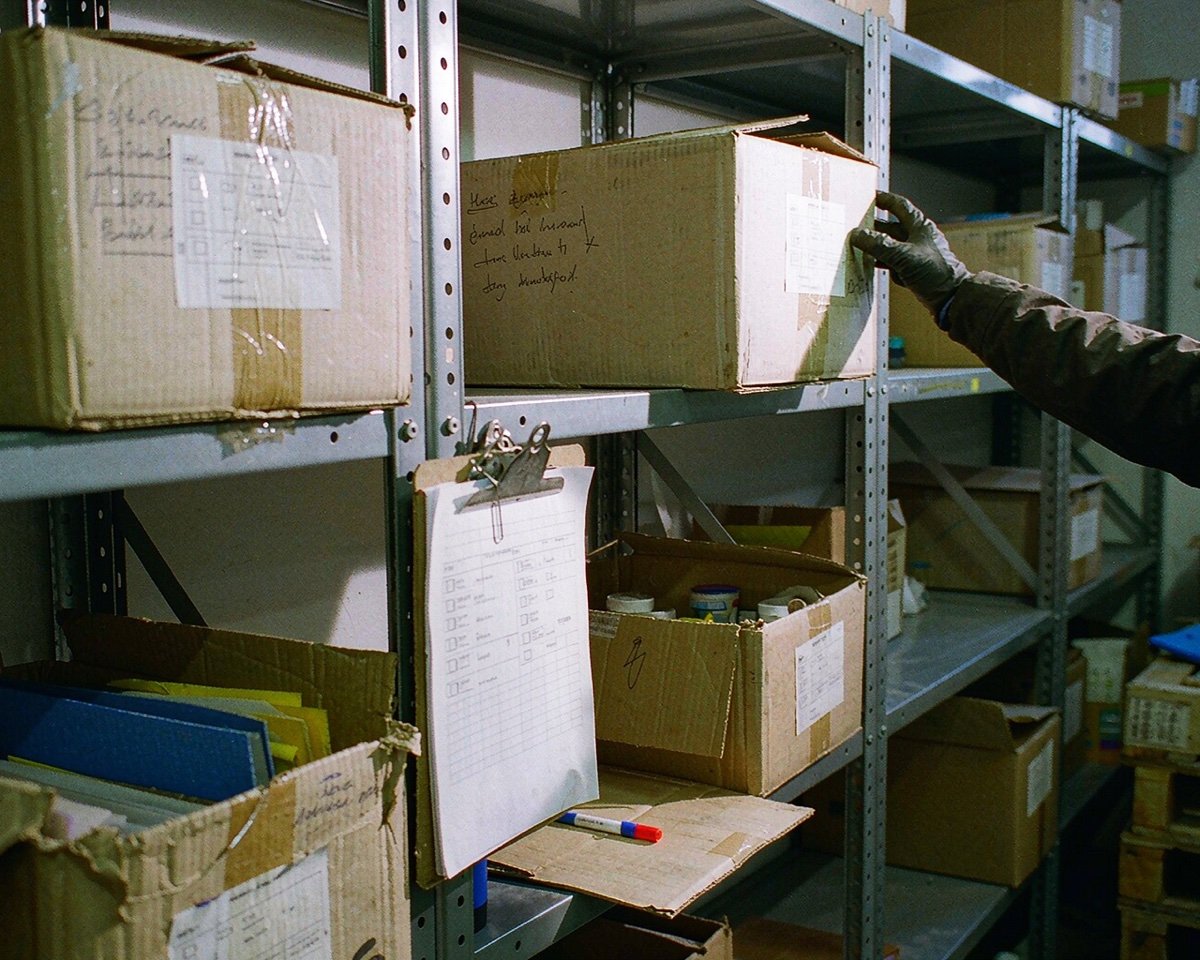
- Separate teaching stock from research stock. The fastest way to ruin a teaching budget is having research groups quietly replenish from the teaching cabinet. Separate storage, separate bins, and an exchange courtesy rule.
Conclusion
Teaching-lab consumables decisions get made under two constraints research labs never face: a hard calendar and a large number of untrained hands. Buy safety items on specification without compromise, buy routine glassware for survival rather than sticker price, and buy everything else on a term cycle with data behind the quantities. Standardize SKUs so nobody makes a mid-class materials decision, and keep backup supply for the handful of items that can cancel a session. The department that runs its consumables this way spends less per student than the one chasing the lowest invoice, and the teaching assistants notice the difference before the finance office does. If you are scaling this thinking up to program level, the lab consumables procurement guide for managers is the structural companion, and our article on how to store lab consumables for maximum shelf life covers the stockroom half of the same discipline.
Frequently Asked Questions
What consumables should a university teaching lab always have in stock?
The session-critical items: PPE (gloves and goggles), basic glassware with spare capacity for breakage, pipettes and tips, consumables specific to your course techniques (TLC plates, capillaries, filter paper), and cleanup supplies. Keep at least one full session’s worth as buffer stock for every item that could cancel a class if it ran out.
How can teaching labs reduce consumables costs?
Plan per session instead of per catalog category, order on the term cycle in consolidated bulk purchases, standardize SKUs to reduce duplicates and errors, and choose durable glassware that survives multiple terms even at a higher unit price. Tracking actual per-session consumption for one term usually reveals 10-20% of spend that was over-ordering.
How much buffer stock should a teaching lab keep?
About 10-15% beyond expected term consumption for non-perishables, sized against your actual breakage history. Buffer exists to absorb broken glassware and schedule overruns, not to insulate against bad planning, so if the buffer never gets touched for two terms, trim it. Perishable consumables should be ordered to consumption, since expiry turns buffer into waste.
Should teaching and research labs share consumable stock?
No. Shared stock means research groups silently deplete teaching inventory, and the teaching lab discovers the shortage at the worst time. Keep separate storage and bins, and if cross-use is unavoidable, make it an explicit exchange with a replenishment rule.
What safety consumables are non-negotiable in a teaching lab?
Chemical-rated gloves in multiple sizes, splash goggles (not just safety glasses) for any corrosive work, broken-glass and sharps containers in the room, and spill kit materials matched to the chemicals the course uses. These map to the OSHA laboratory standard’s chemical hygiene requirements and should never be substituted with lower-rated equivalents.