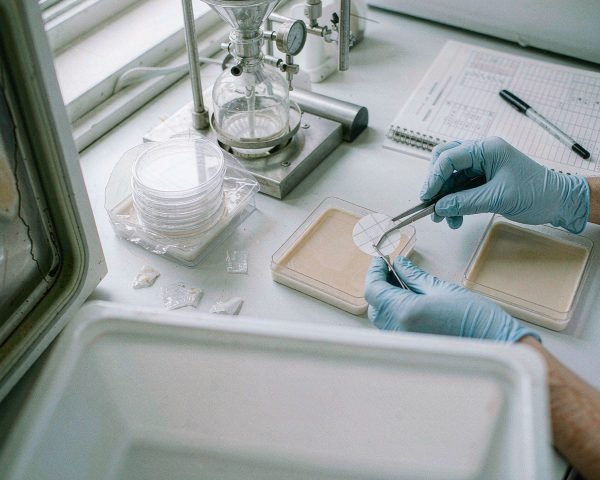

If your lab tests raw materials or finished product for bioburden, USP <61> is the chapter behind the work. The procedure itself is well documented. What slows teams down is the consumables list, because one missing item shows up as an invalid suitability run and three days of lost incubator time.
Quick Answer
USP <61> microbial enumeration testing needs sterile diluent (buffered sodium chloride-peptone solution, pH 7.0), sterile sampling containers, membrane filtration hardware with 0.45 µm gridded membranes, sterile Petri dishes, prepared media in bottles, sterile pipettes or tips, and ATCC reference strains for method suitability.
Keep reading and I will walk through what each item does in the test, where labs overspend, and the small details auditors tend to ask about.
What USP <61> Actually Asks Of You
The chapter covers quantitative enumeration of mesophilic bacteria and fungi that grow under aerobic conditions. You run two counts: TAMC (total aerobic microbial count) and TYMC (total combined yeasts and molds count). You can use membrane filtration, pour plate, or spread plate; the official chapter text at the USP <61> microbial enumeration chapter treats them as equal choices as long as you prove the method works for your product.
Two rules drive your consumable usage. You must verify growth promotion for every new lot of prepared media. And you must confirm method suitability in the presence of the product, which means you repeat the counting method with spiked organisms until you show recovery within a factor of 2. A product with antimicrobial activity can burn through a surprising number of plates and membranes before you get there.
The Consumables List, Item By Item
Sterile Diluent Bottles
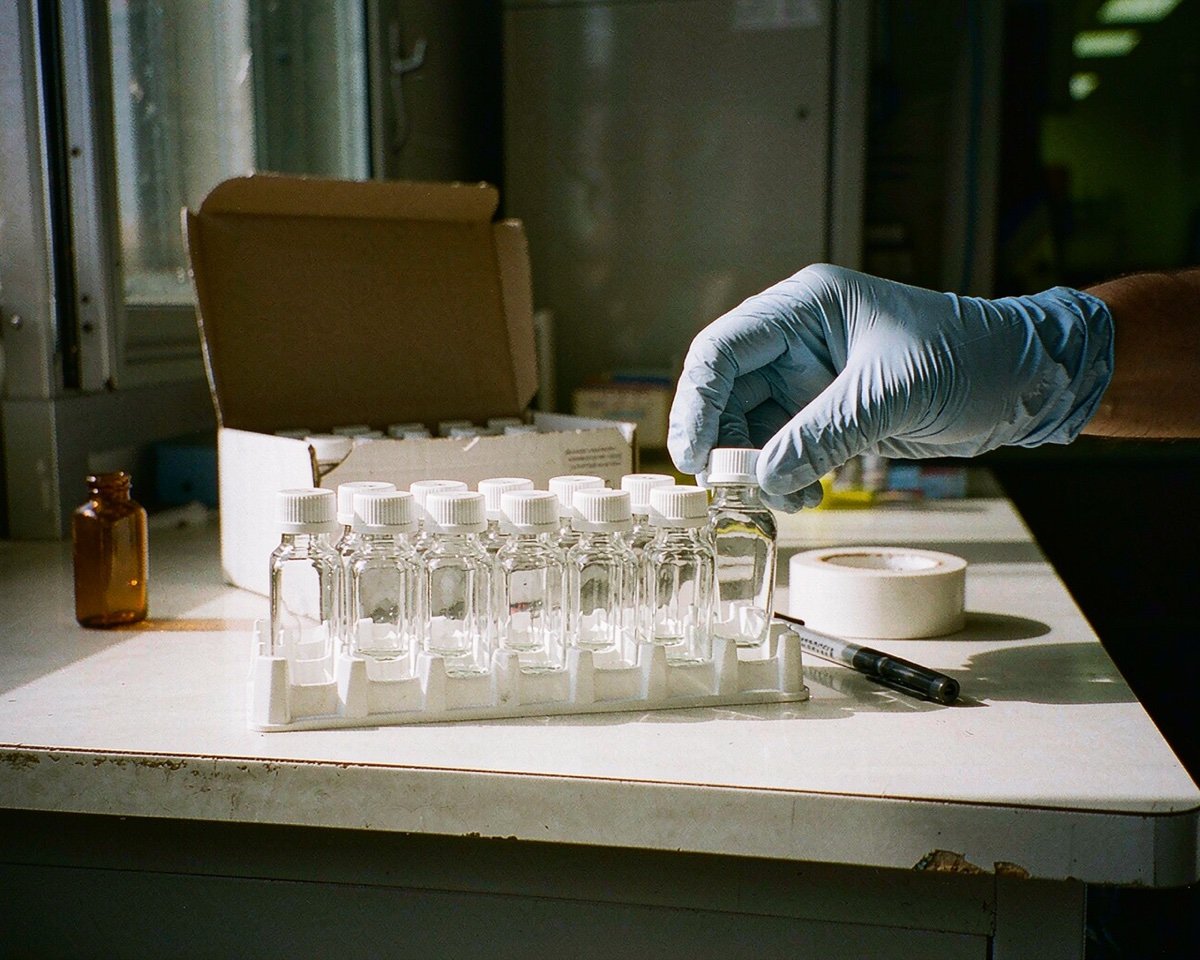
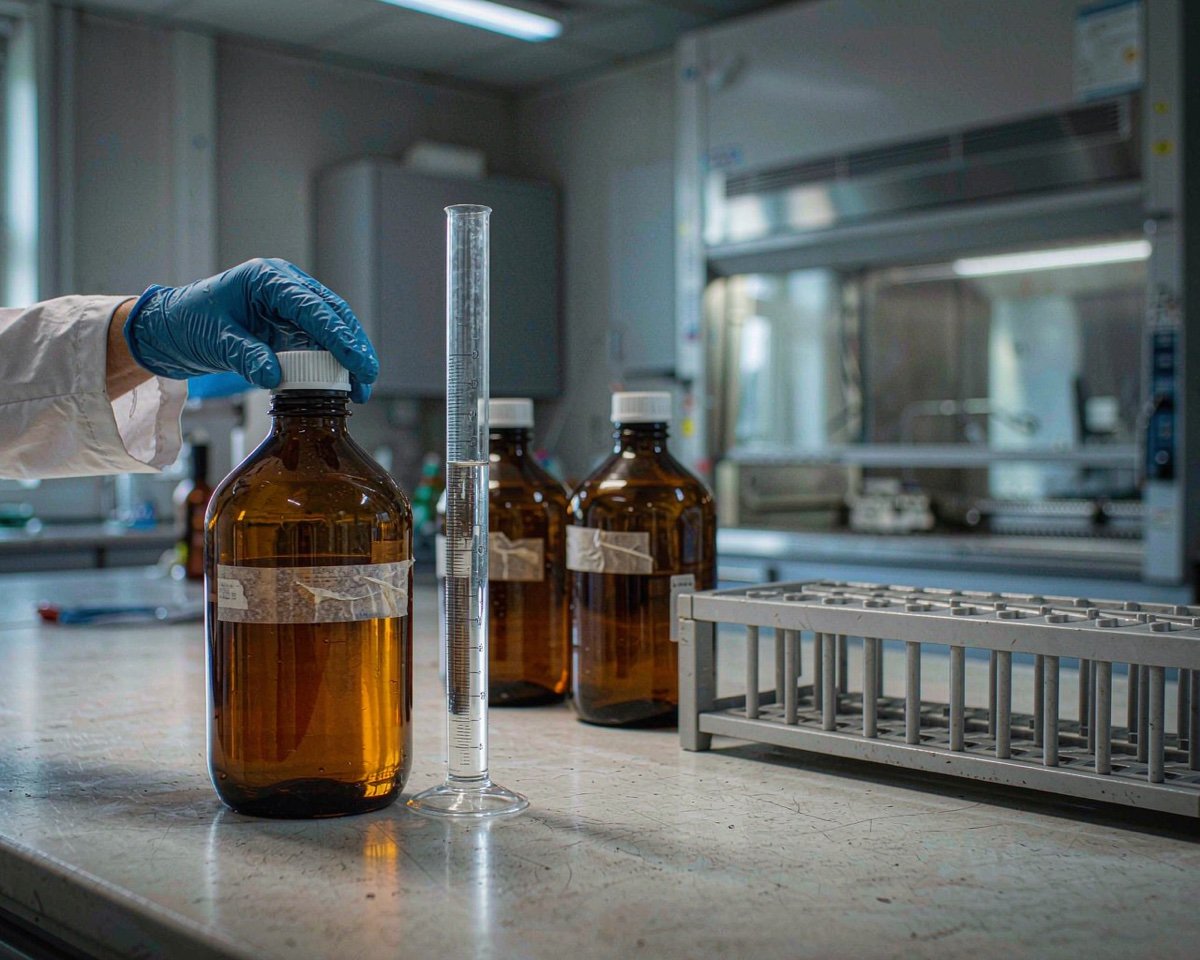
The default diluent is buffered sodium chloride-peptone solution at pH 7.0, or phosphate buffer at pH 7.2. For products containing fats or hard-to-wet powders, the chapter adds polysorbate 80 (typically 1 g per liter) to help suspension. I buy pre-filled sterile diluent bottles in 90 mL and 100 mL sizes. A 1:10 dilution falls out of a 90 mL bottle naturally, and nobody has to autoclave and label buffer on a Monday morning.
One warning from the bench. I once watched a suitability run fail three times before anyone noticed the diluent bottle had been opened for two weeks and resealed with parafilm. Buffer is not sterile once you open it, no matter how careful the pour was. Buy small bottles and treat an opened one as single-day use.
Sterile Sampling Containers
You need sterile containers to bring product into the microbiology lab: sterile sampling bags for solids and creams, sterile bottles for liquids. For low-bioburden work, the claim on the box matters more than people assume, so it is worth knowing the difference between sterile and low-bioburden claims before you order.
Membrane Filtration Apparatus And 0.45 µm Gridded Membranes
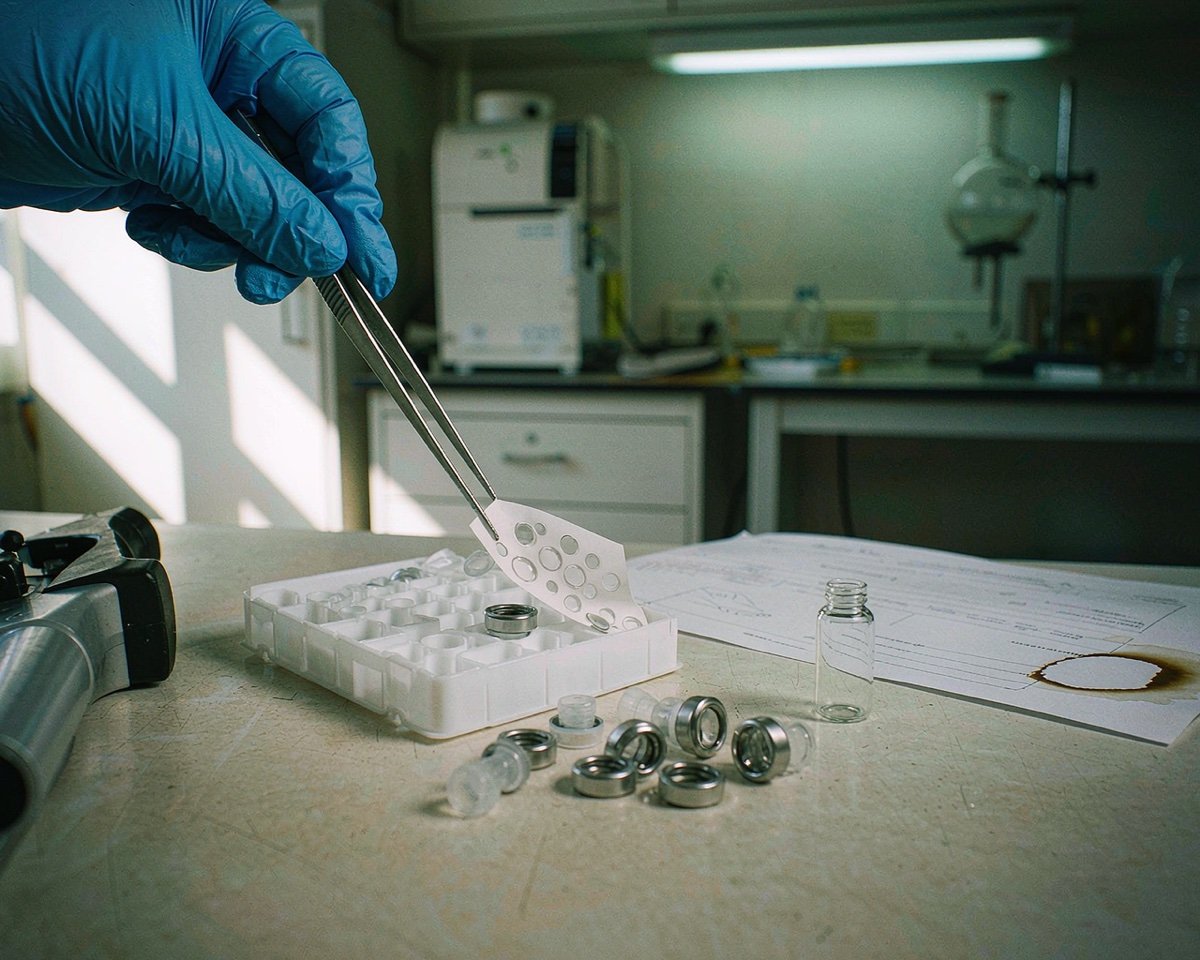
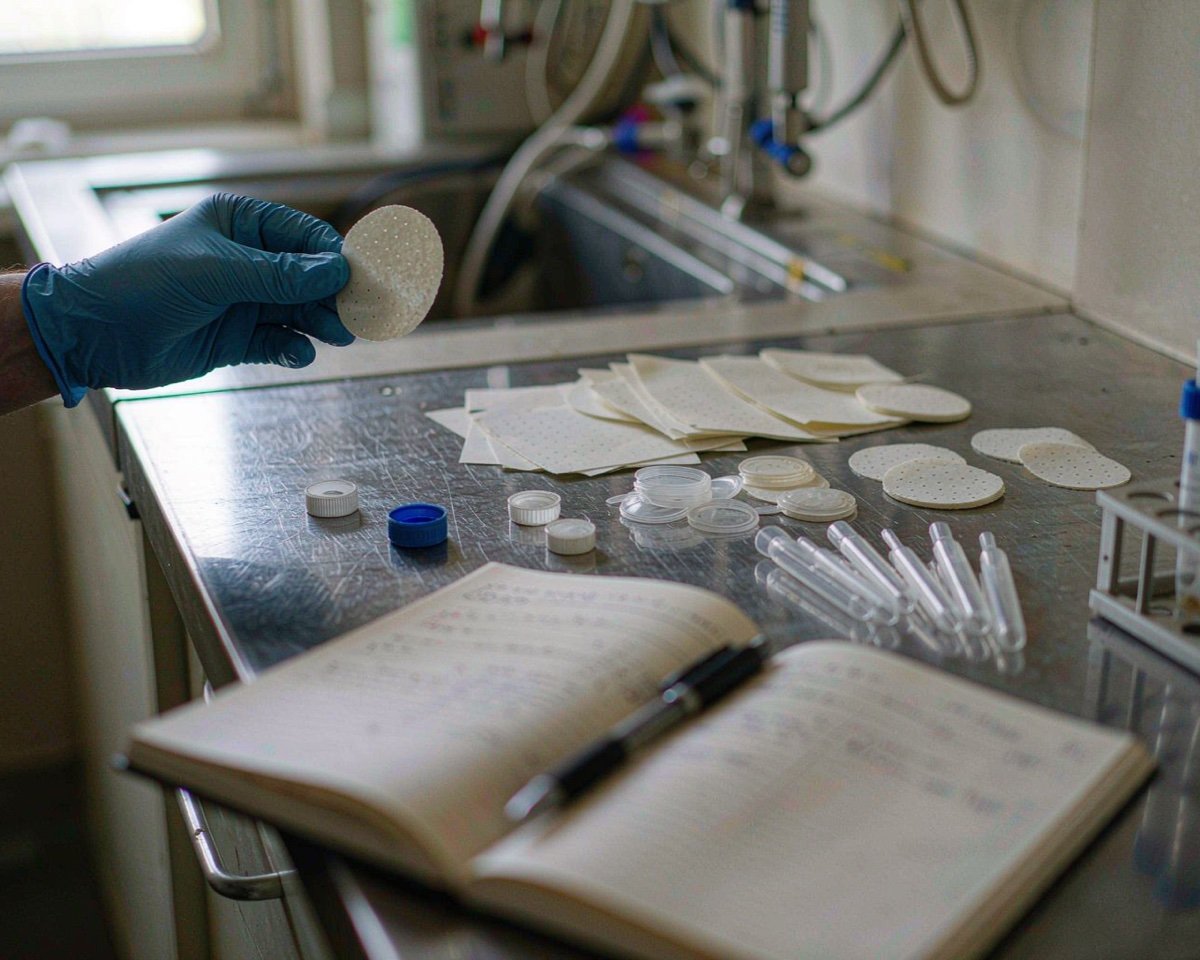
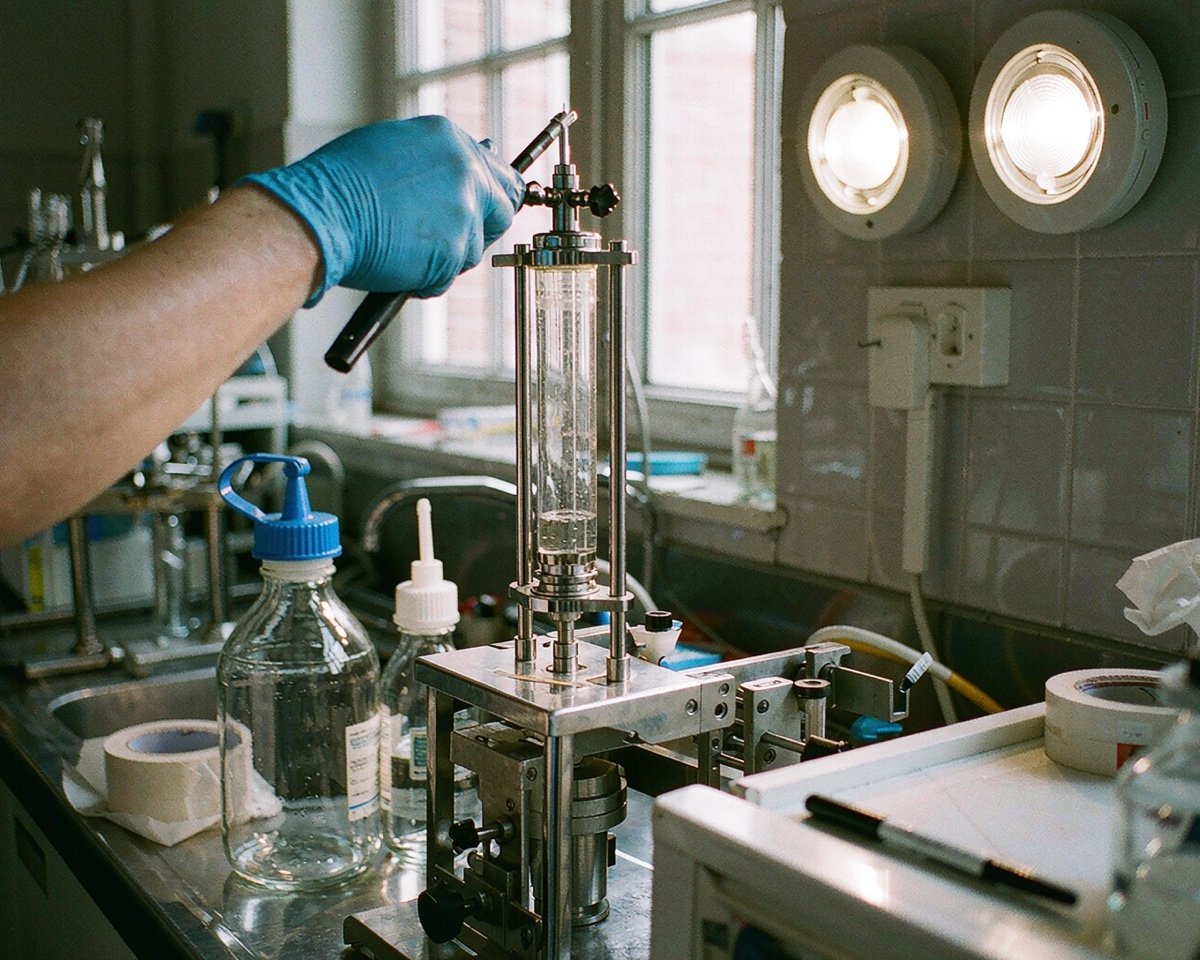
Membrane filtration is the workhorse method for filterable products. You need a sterile filter holder, a vacuum or pressure source, and 47 mm membranes with a 0.45 µm pore size. The grid matters. A printed grid divides the membrane into counted squares, which makes colony counting on a busy plate far less painful. Thermo Fisher’s microbiological control membrane catalog shows the common formats: individually wrapped, gamma-irradiated, cellulose nitrate, with black or white grids for contrast against the colonies.
After filtration, the membrane goes onto an agar plate, membrane side up. Rinse the funnel several times with diluent, because product residue left on the glass can keep inhibiting growth after the filter is long gone.
Sterile Petri Dishes And Prepared Media
Most labs use 90 mm sterile Petri dishes, pre-poured or poured in-house. The standard media are soybean-casein digest agar for TAMC and Sabouraud dextrose agar for TYMC. Bacteria incubate at 30-35°C for three days; fungi incubate at 20-25°C for five. If you prepare media yourself, you need sterile media bottles to hold it, and the choice of bottle matters for autoclave cycles and storage.
Buying pre-poured plates costs more per unit. My honest opinion: for a lab running USP <61> weekly or more, pre-poured plates pay for themselves in labor and in growth-promotion paperwork, since a reputable supplier tests each lot. If you do pour your own, a product like Oxoid plate count agar from Thermo Fisher is the kind of dehydrated base most microbiology labs reach for.
Sterile Pipettes And Tips
Serological pipettes (1 mL, 5 mL, 10 mL) for inoculation and plating, plus filtered tips for any pipettor work. Buy sterile, single-use, and skip the temptation to re-sterilize. The chapter’s negative control exists to catch contamination from exactly this kind of shortcut.
Method Suitability: The Part That Consumes Your Consumables
Suitability testing is where the consumables budget goes to die. The chapter names five organisms you must recover in the presence of the product: Staphylococcus aureus, Pseudomonas aeruginosa, Bacillus subtilis, Candida albicans, and Aspergillus brasiliensis (ATCC 6538, 9027, 6633, 10231, and 16404 respectively). You inoculate with no more than 100 CFU per organism, run your chosen method, and compare recovery against a control without product.
In practice that means five spiked preparations, five controls, plates for each dilution, and enough membranes for repeat rinses if the product fights back. An antimicrobial product may need neutralization with lecithin or polysorbate 80, and each adjustment means repeating the whole suitability study. Order suitability strains as ready-to-use quantified suspensions unless your lab genuinely enjoys counting spores at 7 a.m.
For labs that also handle food samples, FDA’s Bacteriological Analytical Manual covers similar enumeration territory with slightly different conventions, and it is worth a skim so nobody mixes the two protocols.
Sterile Versus Non-Sterile Claims On The Box
Here is a point that saves arguments in purchasing. USP <61> does not require every consumable in the room to be sterile. It requires the test to be performed in a way that avoids introducing contamination. That is why most labs buy sterile membranes and sterile pipettes (anything that touches the sample or the membrane) while accepting non-sterile items like the waste flask. If a gamma-irradiated claim matters to you, check how gamma-irradiated and autoclaved consumables differ, because the claims are not interchangeable. And if your lab also runs endotoxin work, remember that low-endotoxin is a separate claim from sterility entirely.
Conclusion
USP <61> testing is less about exotic equipment and more about a disciplined list of sterile consumables: diluent bottles, sampling containers, 0.45 µm gridded membranes, Petri dishes, media bottles, and single-use pipettes, all backed by ATCC strains for suitability work. Build the list once, keep a standing stock, and check it against the chapter whenever your product or method changes, because suitability retesting is what multiplies your consumption. My recommendation for any lab starting out is to buy the smallest sterile pack sizes you can and label every opened item with a date. The few extra cents per unit are cheaper than one repeated suitability run, which costs days of incubation and weeks of documentation. If you are setting up the surrounding storage and handling practices as well, our guide on how to store lab consumables for maximum shelf life pairs well with this one.
Frequently Asked Questions
What diluent does USP <61> recommend?
Buffered sodium chloride-peptone solution at pH 7.0 or phosphate buffer at pH 7.2. Add polysorbate 80 (about 0.05%) when the product is fatty or hard to suspend.
Why are the membranes 0.45 µm and gridded?
A 0.45 µm pore size retains bacteria while letting the sample pass, and the printed grid splits the membrane into squares so colonies can be counted accurately under a magnifier.
Do I need to run growth promotion on every media lot?
Yes. The chapter requires growth promotion testing for each new lot of prepared or pre-poured media before use, using organisms no more than 100 CFU.
How long do USP <61> plates incubate?
Bacteria plates (TAMC) incubate at 30-35°C for three days, and fungi plates (TYMC) incubate at 20-25°C for five days.
Can I use a different method than membrane filtration?
Yes. Pour plate and spread plate are acceptable alternatives, and MPN is allowed for products with very low bioburden, provided you demonstrate method suitability.