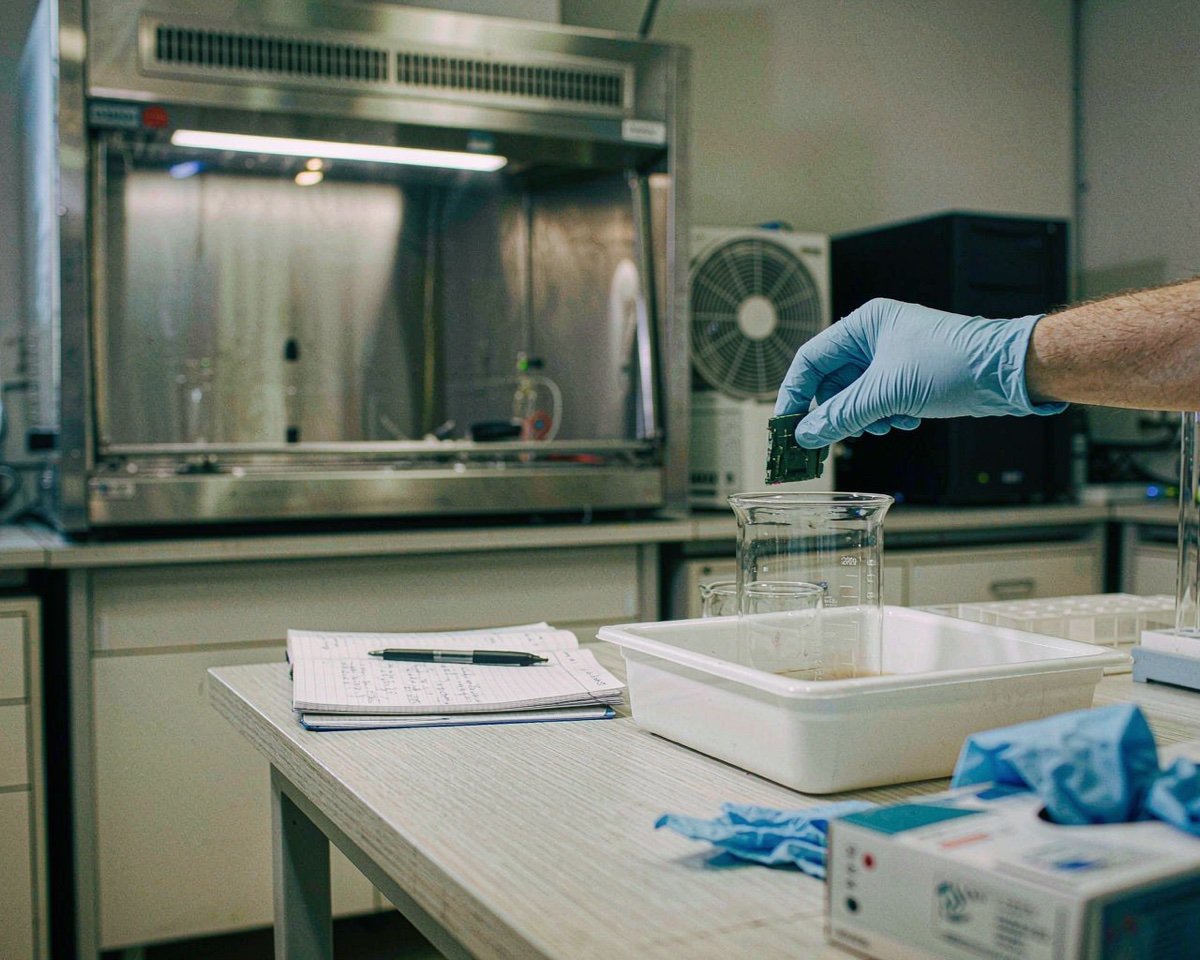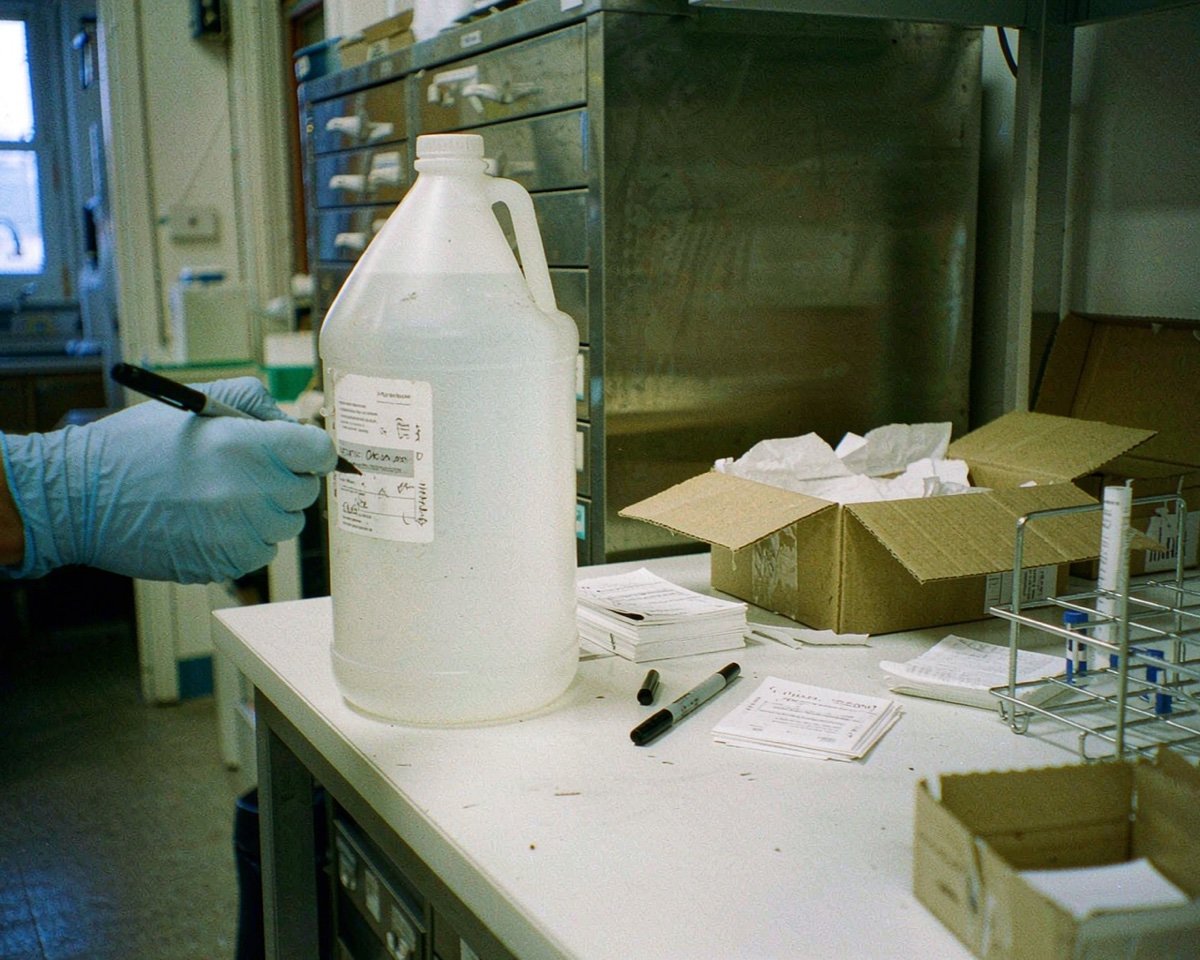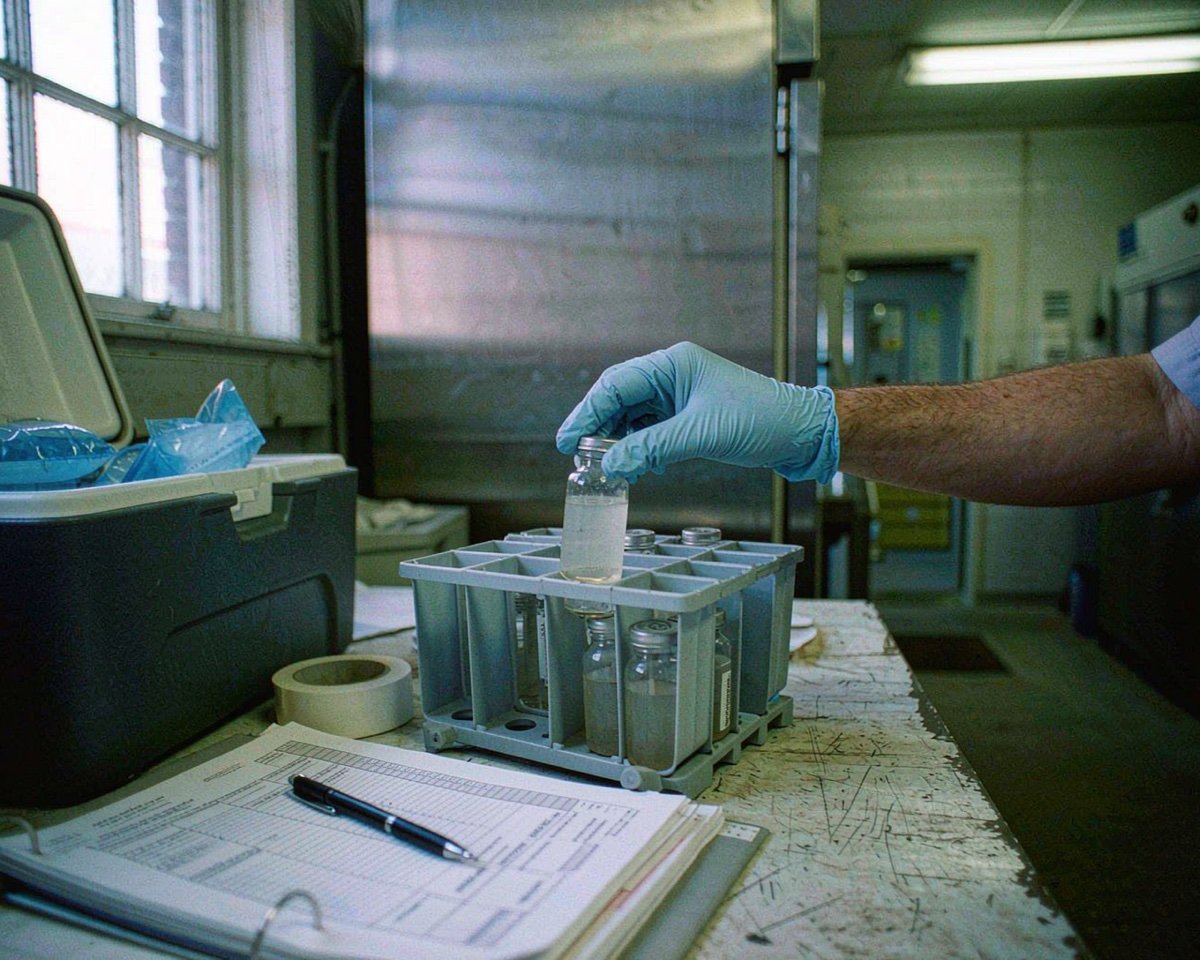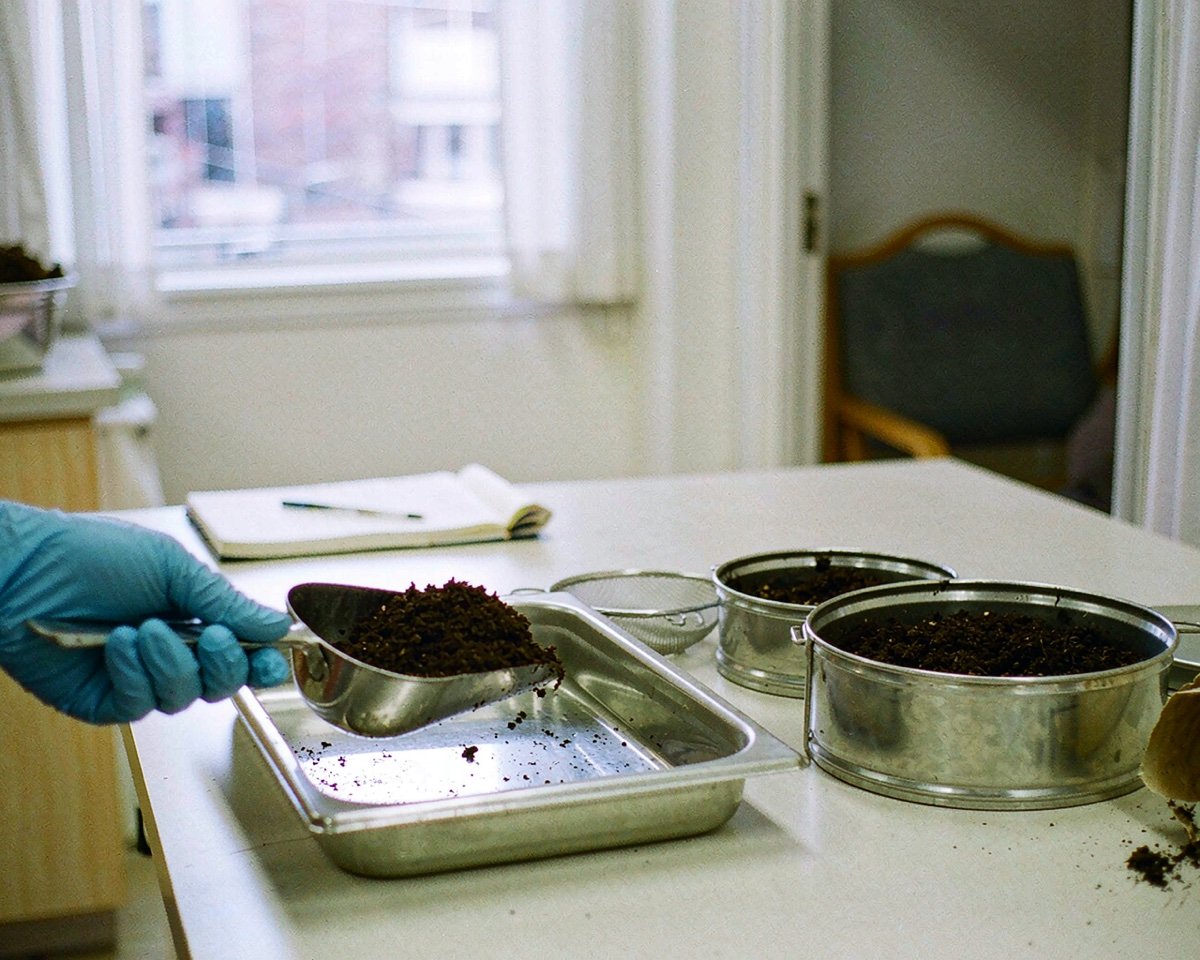
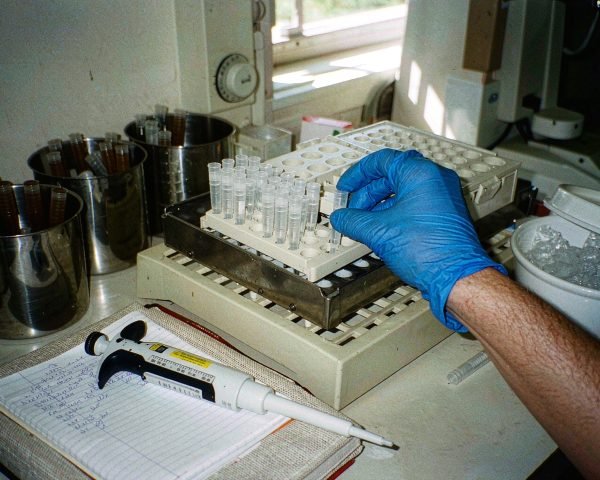

# What Consumables Does DNA and RNA Extraction Need?
DNA and RNA extraction is mostly chemistry, but the plasticware around that chemistry decides whether it works. Miss one consumable and the price shows up as degraded RNA, clogged columns, and reruns that cost far more than the tube ever did. This guide walks through every category you need and where labs get it wrong.
The short answer: DNA and RNA extraction needs seven consumable categories: collection tubes with preservation media, lysis consumables (bead tubes, ceramic beads), spin columns or magnetic bead plates, certified RNase-free filtered tips, low-bind tubes and plates, cryovials, and nuclease-free tubes and water.
Each section below covers one category, plus the details that change results: which tubes keep RNA stable at room temperature, why “nuclease-free” and “DNase/RNase-free” are different claims, and a checklist you can paste straight into a purchase order.
Collection Tubes and Preservation Consumables
Extraction starts before you ever lyse a cell. Whole blood for genomic DNA usually goes into EDTA tubes, the purple-top tubes that chelate divalent cations and stop DNases from chewing up your sample. Heparin tubes work for some assays but inhibit downstream amplification, so most labs avoid them when the DNA is destined for PCR.
RNA is less forgiving. The moment you harvest tissue or collect a swab, endogenous RNases start cutting, and nothing you do at the bench afterward recovers what was lost. That is why stabilization reagents exist: guanidinium-based products like DNA/RNA Shield lyse cells on contact and inactivate nucleases, so samples survive days of ambient-temperature shipping. QIAGEN’s RNAprotect works the same way for tissue, with one detail that matters: solid tissue must be sliced thinner than 0.5 cm so the reagent reaches the center before RNases do.
If you use neither approach, flash-freeze in liquid nitrogen and keep the frozen chain unbroken.
I learned that lesson the expensive way. I once ran a biomarker time course and left half the samples on the open bench for an afternoon in July while the centrifuge was busy. The gel told the story a week later: a degraded RNA smear from every tube that had sat out, and a publication deadline that suddenly had no data behind it. Preservation consumables are cheap insurance against exactly that outcome.
Lysis and Homogenization Consumables
Mechanical disruption is where cheap consumables quietly fail. Bead beating needs 2 mL screw-cap tubes with O-rings, because snap-cap tubes pop open under beating and hand you the lysate. Bead choice matters too: ceramic (zirconia or silica) beads suit animal tissue and cells, garnet handles tough plant and soil samples, and 0.1 mm beads work best for bacteria. Match the bead to the sample instead of hoping one tube type covers everything.
Disposable pellet pestles for 1.5 mL tubes handle small tissue bits without cross-contamination, and RNase-free forceps let you transfer frozen tissue without gloved fingers touching it. Keep a stock of certified tips at the homogenization station as well, since resuspension happens there and grabbing a regular tip mid-protocol undoes everything the certified tubes bought you. If you are unsure whether your lab needs certified consumables at every step, this breakdown of who actually needs DNase- and RNase-free consumables settles it: DNase- and RNase-Free Consumables: Who Actually Needs Them.
NEB’s guidance on contamination sources is blunt: ungloved hands, aerosols, and dust all carry RNase, so certified disposable plasticware and filter tips should be the default rather than the exception (Avoiding Ribonuclease Contamination).
Spin Columns and Magnetic Bead Plates
Binding chemistry comes in two formats. Silica spin columns bind nucleic acid in high salt, then wash and elute by centrifugation. Each column needs matching 2 mL collection tubes, and you will want spares because columns crack and tubes get dropped. For RNA work, on-column DNase treatment is standard, and that gDNA-removal step needs its own mini spin columns in many kits.
Magnetic bead formats trade the centrifuge for a magnet. At low throughput that means a simple rack for 1.5 mL tubes. At plate scale it means a 96-well ring magnet plate paired with deep-well blocks, sealing foil, and an elution plate. One practical warning: consumable compatibility is brand-specific, and a deep-well block can fit the deck yet still fail on magnet height. Check the consumable list in your kit handbook before bulk ordering. Zymo’s Quick-DNA/RNA MagBead page lists exactly which plates, blocks, and foils its protocol expects, which is the level of detail to copy when planning an order (Quick-DNA/RNA MagBead Kits).
Pipette Tips: Filtered, Low-Retention, RNase-Free
Tips are the highest-turnover consumable in extraction, and three features matter. Filtered (aerosol-resistant) tips stop cross-contamination when you handle lysates, and they are non-negotiable once a sample has passed through a column or bead pellet. Low-retention tips matter at elution, where 20 microliters of RNA solution clinging to a hydrophilic tip wall is real yield you will never see in the Nanodrop readout. And for anything RNA, tips must be certified RNase-free and tested per lot, not merely autoclaved. Thermo Fisher notes that autoclaving alone does not destroy all RNase activity, since RNase A-type enzymes can refold and regain partial activity as plastic cools (How to Maintain an RNase-Free Lab).
One habit worth building: open tip boxes only inside your clean zone, and never restock a half-used box. An unopened certified box is RNase-free. A box that has lived on a general bench for two weeks is an open question.
Tubes and Plates for Extraction and Elution
Standard 1.5 mL microcentrifuge tubes are fine for lysis, but eluted nucleic acid deserves low-bind tubes. Siliconized, low-retention surfaces keep dilute DNA and RNA from adsorbing to the plastic, which matters most at low concentrations, exactly where recovery losses hurt the most.
For high-throughput work, 96-well extraction plates plus compatible collection and elution plates replace racks of individual tubes. Check the certification wording before you trust any of it: “RNase-free” means the manufacturer tested the lot for ribonuclease activity, “sterile” means only that, and “autoclaved” means less than either. If a tube’s packaging claims nothing, treat it as uncertified no matter how clean it looks. Bags should stay sealed until use, because a certified tube opened on a busy bench stops being certified the moment dust lands inside.
Storage Consumables
Extraction does not end at elution, because your product now has to survive the freezer. Cryovials with O-ring seals hold DNA and RNA at -80 C for years, and externally threaded versions cut contamination risk during handling. Freezer boxes with inventory grids, barcode labels rated for frost, and standard racks turn an -80 C freezer from a haystack into a database. Store eluates in aliquots so a working sample never sees more than one freeze-thaw cycle.
For archival RNA, many protocols recommend adding RNase inhibitors or storing eluates as ethanol precipitates. If your lab manages collections at scale, this guide covers freezer inventory, labeling, and retrieval systems in depth: Biobanking Lab Consumables: The Complete Guide.
Nuclease-Free, DNase-Free, or Both? Reading the Label
So why does the wording on the bag matter so much? Because the claims are tested differently. “Nuclease-free” usually means the manufacturer screened for a panel of nuclease activities. “DNase/RNase-free” names the two enzymes that matter for extraction and states the lot was tested against both. For RNA work, RNase-free certification is the one you cannot skip. For DNA destined for sensitive amplification, DNase-free matters too, since stray DNase degrades template just as quietly as RNase degrades RNA.
DEPC treatment of glassware still has a place in some labs, but the modern default is buying certified disposables and keeping them segregated. The economics favor that shift: certified tips and tubes add pennies per extraction, while a rerun costs the whole sample. QIAGEN’s bench guide is a solid reference for setting up the workspace itself, from dedicated pipettes to surface decontamination routines (Best Practices for RNA Storage and Sample Handling). QIAGEN also maintains a broader RNA guide covering lysis, homogenization, and QC methods end to end (RNA Guide: Expert Techniques for Reliable RNA Results).
When your extracted material feeds sensitive downstream workflows, the diligence compounds, as covered here for amplification work: What Consumables Does PCR and qPCR Work Need?.
Extraction Consumables Buying Checklist
• Collection: EDTA tubes for blood DNA, stabilization reagent tubes or liquid reagent for RNA-bearing samples, and access to liquid nitrogen for flash-freezing.
• Lysis: 2 mL screw-cap O-ring bead beating tubes, ceramic or garnet beads sized to your sample, disposable pellet pestles.
• Binding: spin columns plus spare collection tubes, or magnetic bead kits matched to your stand or 96-well magnet plate, with deep-well blocks and sealing foil for plate formats.
• Liquid handling: filtered, low-retention, lot-certified RNase-free tips in the sizes your pipettors use.
• Extraction plastics: low-bind 1.5 and 2 mL microcentrifuge tubes, 96-well collection and elution plates, DNase/RNase-free water.
• Storage: O-ring cryovials, freezer boxes, cryolabels.
• Documentation: lot certificates on file, since audits and troubleshooting both ask for them.
Conclusion
Extraction consumables break into a short, predictable list, and almost every failed prep I have traced came from skipping one of them: unstabilized samples, uncertified tips, or eluate stored in whatever tube was nearest. Build your checklist around sample type first and throughput second. Order consumables that match your binding format, columns or beads, rather than hoping a generic plate will work, and keep certified plastics segregated from general bench stock. The payoff compounds downstream, because clean template makes everything after extraction easier, from routine qPCR to biologic release testing. If your workflow ends in mRNA or vaccine QC, this guide picks up exactly where extraction leaves off: What Consumables Does mRNA and Vaccine QC Need?. Extraction is a consumables-intensive workflow, and treating that list as an afterthought is the most expensive shortcut in molecular biology.
Frequently Asked Questions
Do I need RNase-free consumables for DNA extraction?
Not strictly, but it helps. RNases do not attack DNA, so a basic genomic DNA prep can run on standard sterile tubes. If the same bench also handles RNA, or the DNA feeds sensitive downstream assays, certified consumables remove a variable cheaply.
What is the difference between nuclease-free and DNase/RNase-free water?
Nuclease-free water is tested against a broader panel of nuclease activities, while DNase/RNase-free labeling states exactly which enzymes the lot passed. For extraction work, either is fine for elution. Just avoid untreated distilled water, which can carry RNase.
Can I autoclave regular tubes and tips to make them RNase-free?
No. RNase A-family enzymes survive autoclaving and can refold as the plastic cools, regaining partial activity. Buy lot-certified RNase-free consumables instead, or decontaminate glassware by baking at 180 C or higher for several hours.
How many spare collection tubes should I keep on hand?
Plan for at least 10 to 20 percent overage above your kit count. Columns crack during handling, tubes get dropped, and a mid-extraction shortage means pausing with lysate already bound and waiting.