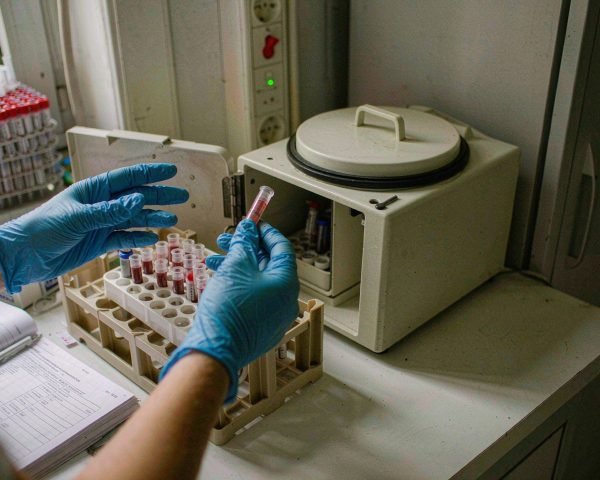

# What Consumables Does Blood Bank Testing Need?
Blood bank testing carries a weight most lab work doesn’t. A mis-typed sample doesn’t just produce a wrong number; it can put ABO-incompatible blood into a patient. Yet the daily work still comes down to tubes, pipettes, saline, and cards. Here’s what a blood bank or donor center actually gets through, and where each item matters.
The short answer
Blood bank testing needs EDTA tubes for pretransfusion samples, glass or plastic serology tubes and gel cards for ABO/Rh typing and antibody screens, 0.9% saline and pipettes for cell suspensions, sample cups and plates for infectious disease screening, and cryogenic vials for retained specimens.
Each of those categories exists because a specific test demands it. Walk the workflow with me, from donor arm to release form.
Donor testing: the segment tube starts the chain
At a donor center, every collection bag comes with an attached tubed segment of the donor’s blood, the segment, and that little tube drives all initial testing. Segments are blood-collection-device territory, so most lab-side consumable decisions start after the sample is mixed.
What the testing bench adds: labeled aliquot tubes to distribute the segment blood to serology, NAT, and chemistry stations, plus the barcode labels that tie every downstream tube back to the donation ID. Mislabeling here is the classic disaster scenario. AABB’s bulletin on wrong-blood-in-tube events reports mislabeling rates around 1 in 10,000 samples internationally, with electronic positive patient ID cutting errors roughly fivefold. The consumable lesson is plain: pre-printed, scannable labels beat handwritten ones, and my default is barcodes printed at the point of collection, never written by hand.
Pretransfusion samples: EDTA tubes and the identity check
Hospital transfusion services live on EDTA tubes, lavender tops, drawn at the bedside and labeled before the phlebotomist leaves the patient. The tube itself is unremarkable. The discipline around it isn’t: AABB Standards require two independent patient identifiers, the collection date, and a way to identify who drew the sample, and a specimen with any doubt gets rejected and redrawn.
Two consumable-adjacent points worth knowing:
• Plasma samples can throw fibrin clots that trap red cells and mimic agglutinates, so many labs prefer EDTA tubes for automated solid-phase methods and plain clotted tubes for classic tube serology. Follow your platform’s requirements.
• Retained specimens and donor segments must be stored refrigerated for at least 7 days after transfusion, which means your tube racks and refrigerator inventory need to handle a rolling week of every transfused patient. Plan rack space for that before you need it.
ABO/Rh typing and antibody screens: the serology bench
This is where blood bank has its own consumable culture, quite different from the chemistry lab down the hall.
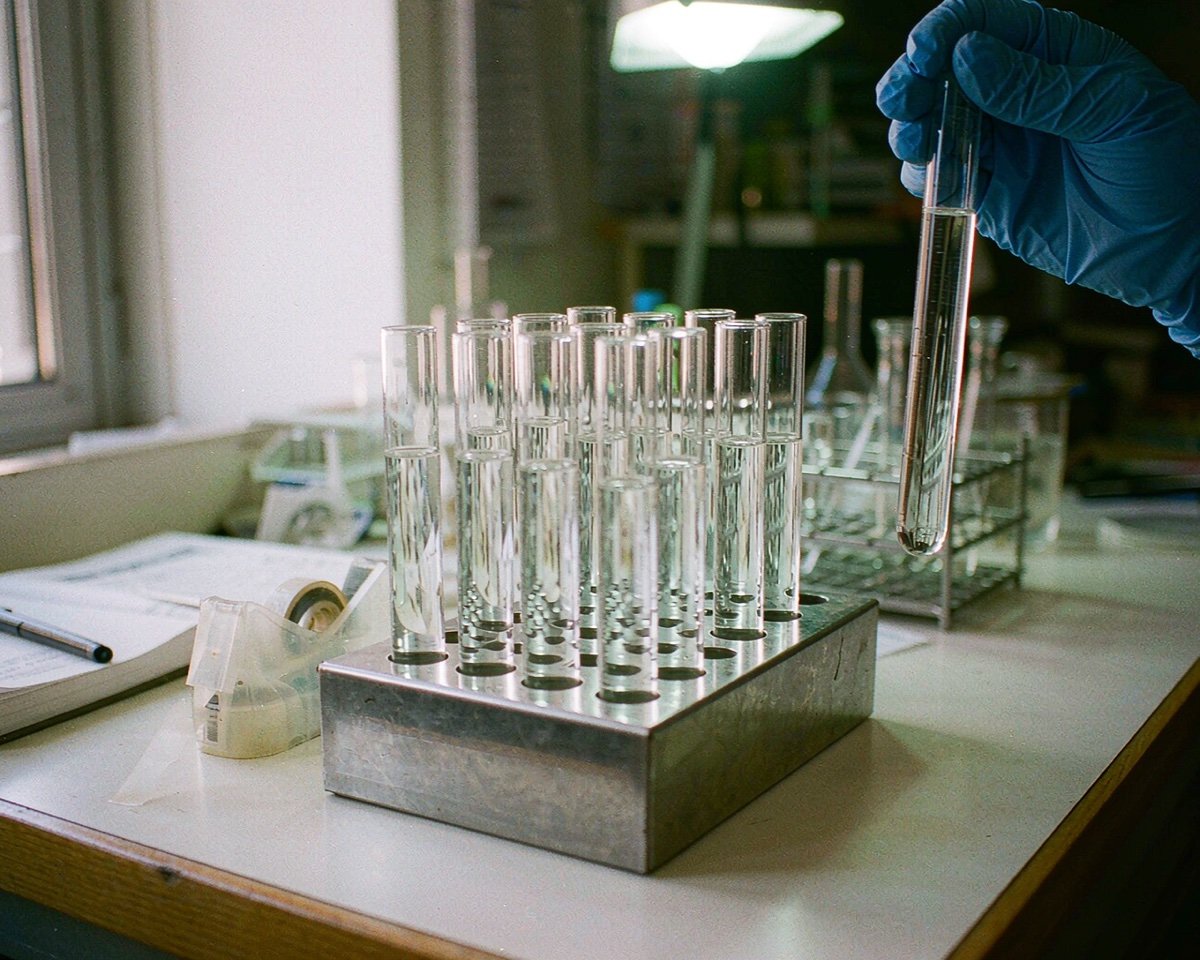
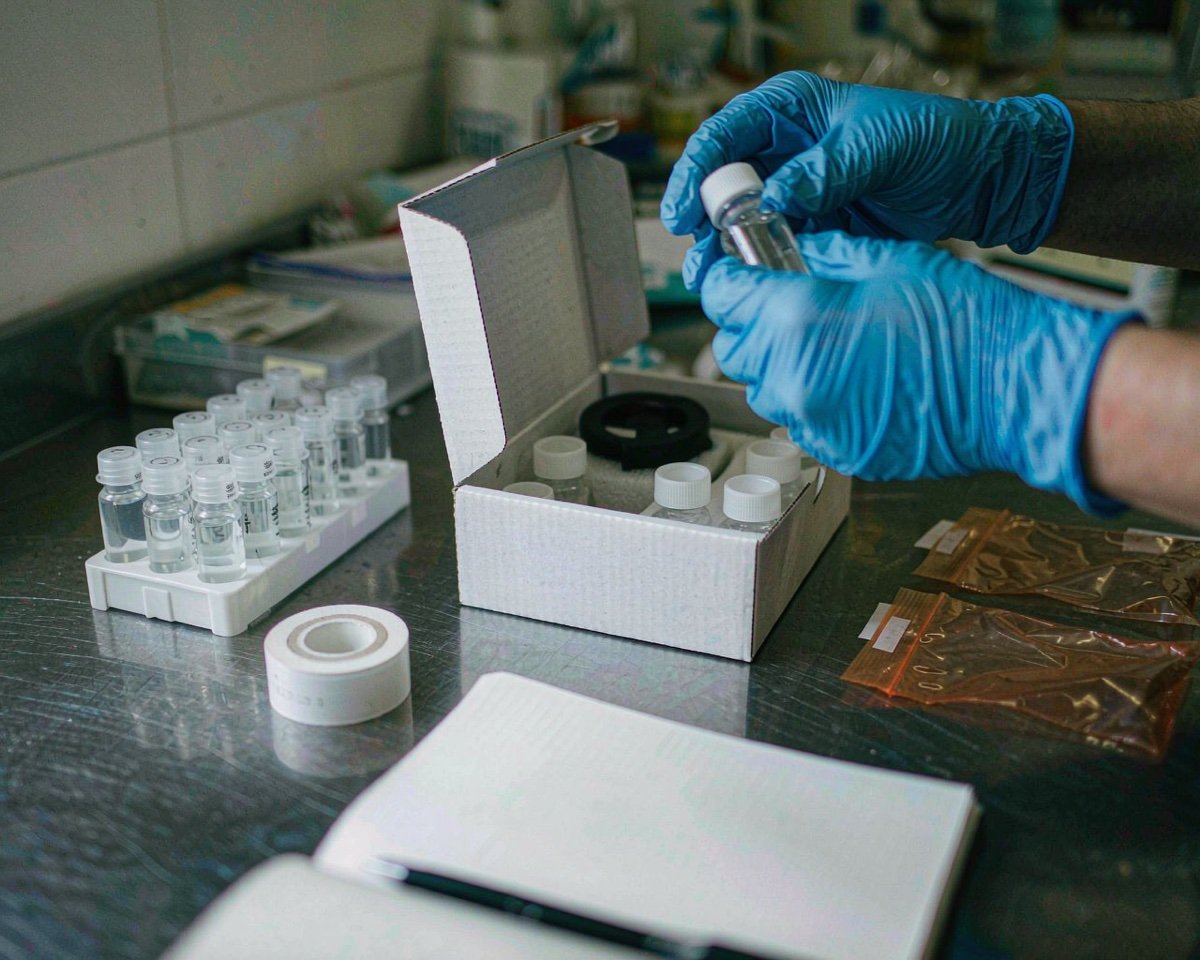
The classic setup runs in small glass tubes, typically 10 x 75 mm, holding red cell suspensions around a 3 to 5% concentration in 0.9% saline. You’ll get through:
1. Serology tubes by the thousands, one for every patient, reverse group, and antibody screen cell.
2. 0.9% saline, dispensed from larger bottles into working bottles; it’s the reagent the whole bench depends on, and it needs its own lot tracking.
3. Reagent red cells (screening cells A1 and B, and the reverse grouping cells), which arrive in their own vials and expire fast.
4. Pipettes and disposable tips for making cell suspensions and adding serum.
5. Reading surfaces and timers: an illuminated agglutination viewer for grading reactions, plus the rocker or shaker your method specifies for immediate-spin checks.
Many labs have moved to gel cards, the column agglutination cards that standardize reading and fit automated readers. Cards cost more per test than open tubes but remove interpretation subjectivity. If you’re equipping a new bench, I’d start with gel technology and keep tubes as the backup method for anomalies, not the other way around.
The consumables here reward boring reliability. A lot of screening cells that runs weak, a saline bottle that grew contamination, a tube cracked by an over-aggressive decapper: each one can flip a result. Hospital blood banks inspect every reagent lot on receipt, and consumables deserve the same incoming check.
Infectious disease screening: where the molecular plastics live
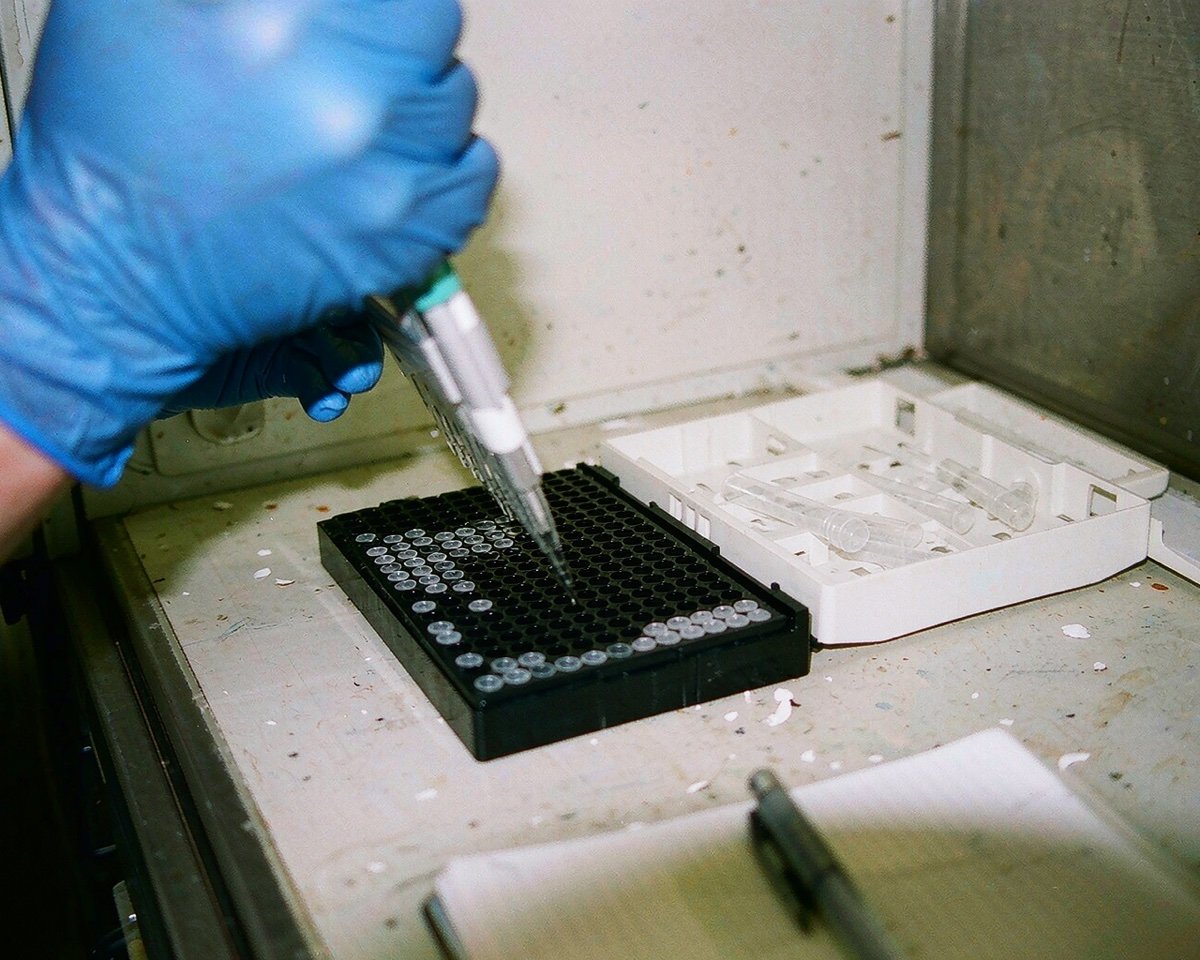
Every donation gets screened for transfusion-transmitted infections. In the US, FDA requires blood establishments to test each donation for a panel of infectious agents: HIV, hepatitis B and C, HTLV, syphilis, West Nile virus, and more, using licensed screening tests. That testing runs on serologic assays and NAT (nucleic acid testing, which detects viral genetic material directly), and NAT pulls the consumable profile toward molecular: minipool tubes and plates, filtered tips, optical qPCR plates or cartridges, and single-use buffer aliquots.
The screening context matters for how you buy. WHO’s blood safety guidance frames quality-assured screening of every donation, with confirmatory testing of screen-reactive results, as a core pillar of a national blood system. And when a donor tests reactive, the confirmation and deferral logic follows FDA guidance; the current FDA recommendations for HBV testing spell out which licensed tests to run and how to manage repeat-reactive donations. Your consumable job is simple to state and hard to do: never give a questionable tube, tip, or plate a chance to suppress a true positive.
That’s why donor-screening labs are strict about small things most labs shrug at: tips from a box that sat open overnight, plate seals reused between runs, a cooling block that drifts. I trained in a hospital blood bank where the NAT lead threw away any tip box left open longer than a shift, no questions asked. It seemed wasteful until I saw what a single contaminated run costs: repeat testing on hundreds of donations and a quarantine log the size of a phone book.
Sample handling, spinning, and storage
Between bench steps, the workhorse consumables are the unglamorous ones: racks, cups, and cryovials.
• Sample cups feed the automated analyzers that read gel cards and run serologic assays; matching cup geometry to your analyzer is a real procurement decision, which we cover in our sample cup guide.
• Centrifuge tubes and carriers for washing cell suspensions; polypropylene tubes with correct RCF ratings survive the repeated spins, and our centrifuge tube materials guide walks the plastic choices.
• Cryogenic vials and storage boxes for retained serum panels, quality-control samples, and rare antisera kept at -20°C or colder. Blood bank freezers are audit targets, and a vial label that lifts at -80°C is a traceability failure waiting to happen; our cryogenic storage guide covers label and box choices.
One bought-once decision worth getting right: freezer-rated labels. Blood bank samples get retained for months, moved between freezers, and pulled for investigation. A label that survived a chemistry lab fridge may not survive a -40°C plasma freezer cycle.
What quality claims actually matter here
For blood bank consumables, three claims do most of the work:
1. Lot-traceable sterility for anything touching donor blood, with certificates filed where an inspector can find them.
2. Reagent-grade consistency for saline and cell suspension buffers, because osmolarity drift shows up as hemolysis that mimics a positive result.
3. DNase/RNase-free and low-retention claims for the NAT bench, the same standard any qPCR lab demands.
The regulatory floor is set by agencies and standards bodies: FDA regulates the collection and testing framework, AABB Standards govern accreditation, and hospital transfusion services add their own validation on top. Your procurement file should read as one continuous chain from lot number to patient result.
Conclusion
Blood bank testing runs on a short list of consumables, but the stakes attached to each one are higher than almost anywhere else in the lab. EDTA tubes carry patient identity, serology tubes and gel cards carry the ABO type, NAT plastics carry the infection screen, and cryovials carry the evidence that lets you investigate a reaction months later. Nothing on that list is expensive. Everything on it is load-bearing.
The practical move is to treat consumables as part of the quality system, not the supply closet: incoming checks with lot certificates, barcode labeling at collection, and storage consumables rated for your coldest freezer. If you’re setting up or auditing a transfusion-adjacent lab, our clinical diagnostics consumables guide maps the wider bench-side shopping list that pairs with the blood bank specifics above.
Frequently Asked Questions
Why do blood banks still use glass tubes if gel cards are available?
Gel cards standardize reading and suit automation, which is why most high-volume labs prefer them. Glass tubes remain the backup method for resolving anomalies, and some manual labs still run them as the primary method. Both are accepted if validated by your facility.
Can I use regular EDTA tubes from chemistry for pretransfusion testing?
Yes, if they meet your facility’s specimen requirements: proper anticoagulant, correct draw volume, and labeling per AABB Standards. The tube rarely fails; mislabeling and wrong-blood-in-tube errors are the real risks, which is why positive patient ID matters more than tube brand.
How long must pretransfusion specimens be kept?
AABB Standards require storing patient specimens and donor segment samples refrigerated for at least 7 days after transfusion, so any transfusion reaction can be investigated. Samples from patients transfused or pregnant in the last 3 months must also be no older than 3 days at crossmatch.
What consumables does NAT screening add that serology doesn’t need?
Filtered and low-retention pipette tips, minipool tubes and plates, optical qPCR plates or sealed cartridges, and nuclease-free reagent aliquots. NAT amplifies viral genetic material, so it inherits the contamination discipline of any PCR lab.
Are blood bank consumables regulated medical devices?
Some are. Collection bags and their segments are regulated devices in most jurisdictions. Bench consumables like tubes, tips, and cups are generally lab supplies, but your quality system still needs lot traceability and incoming inspection for anything that touches a result.