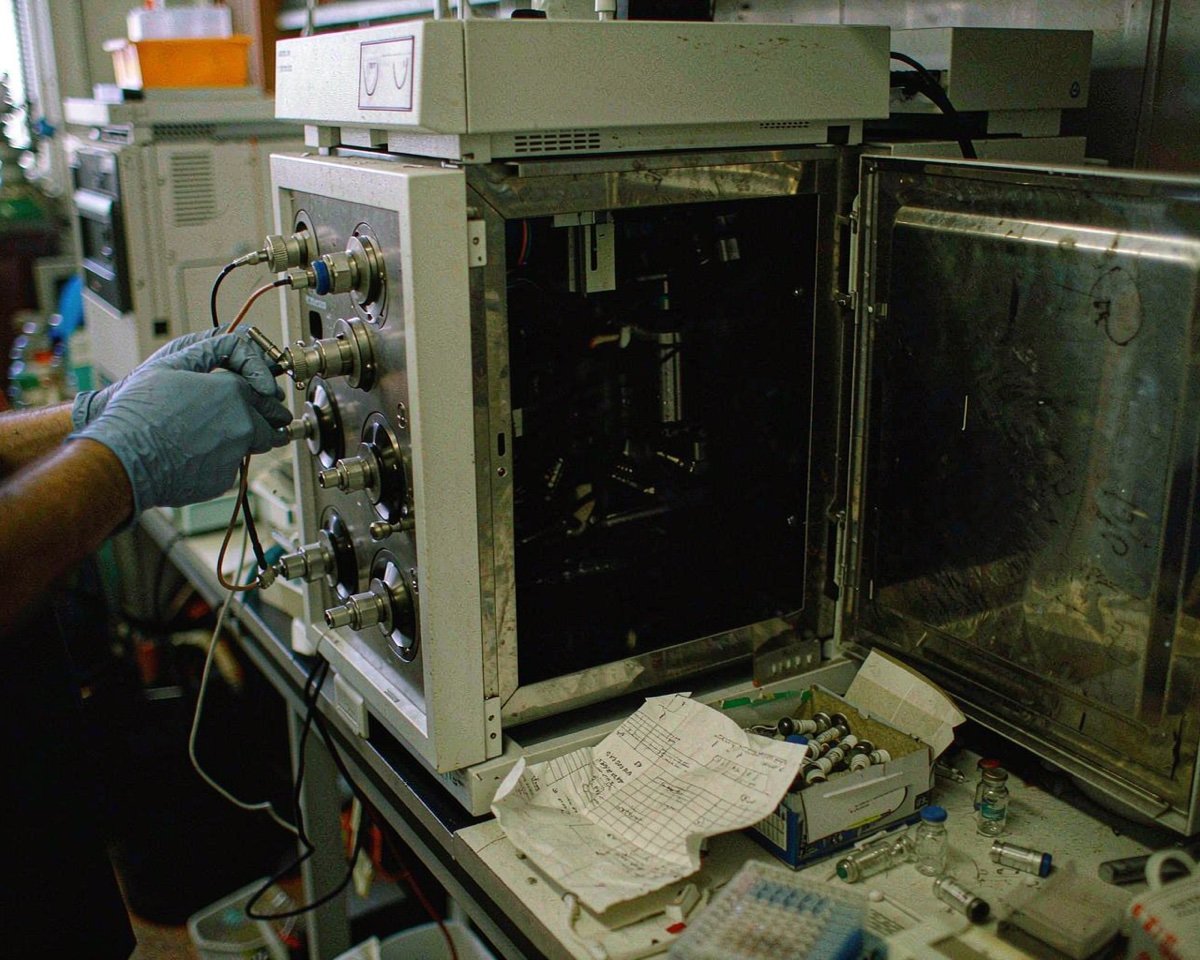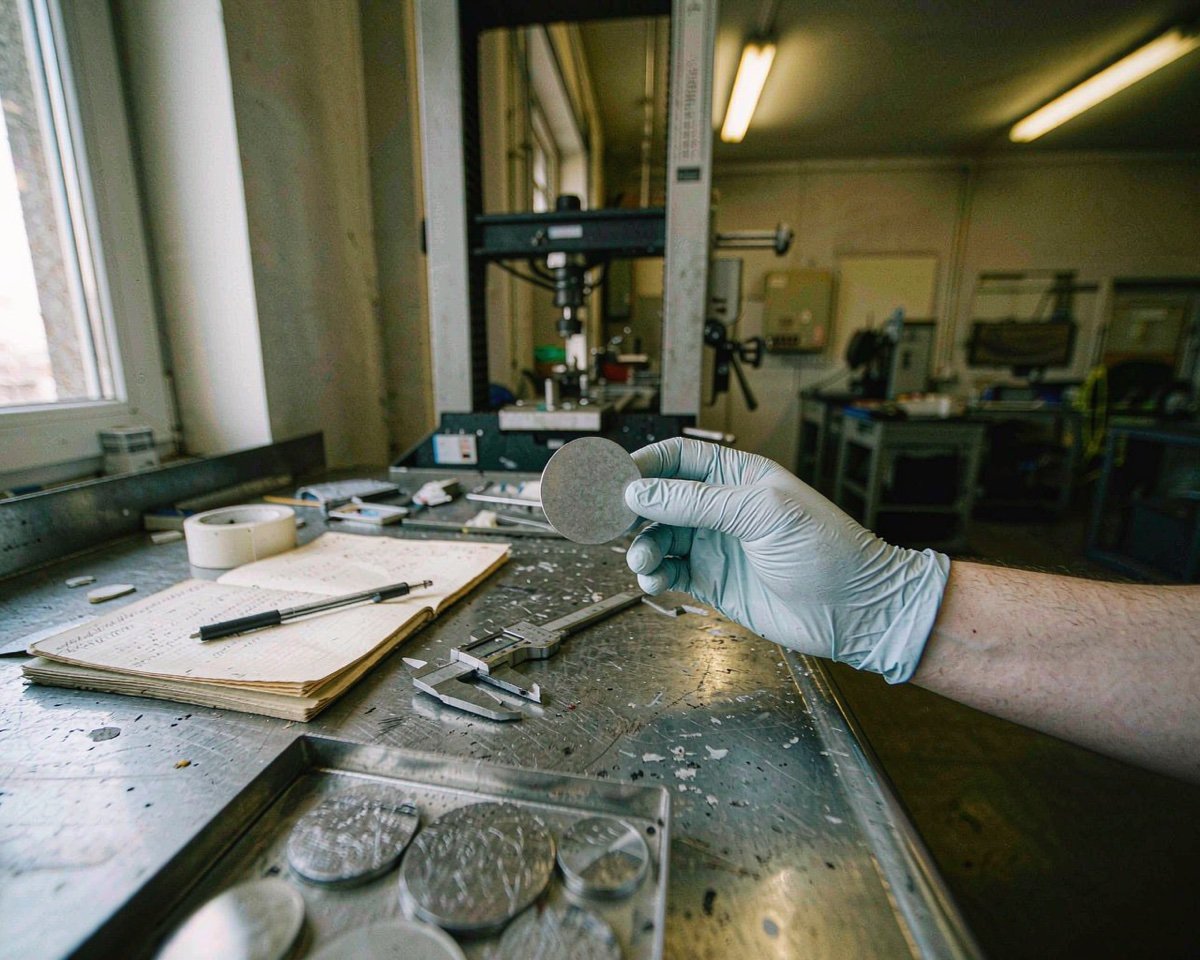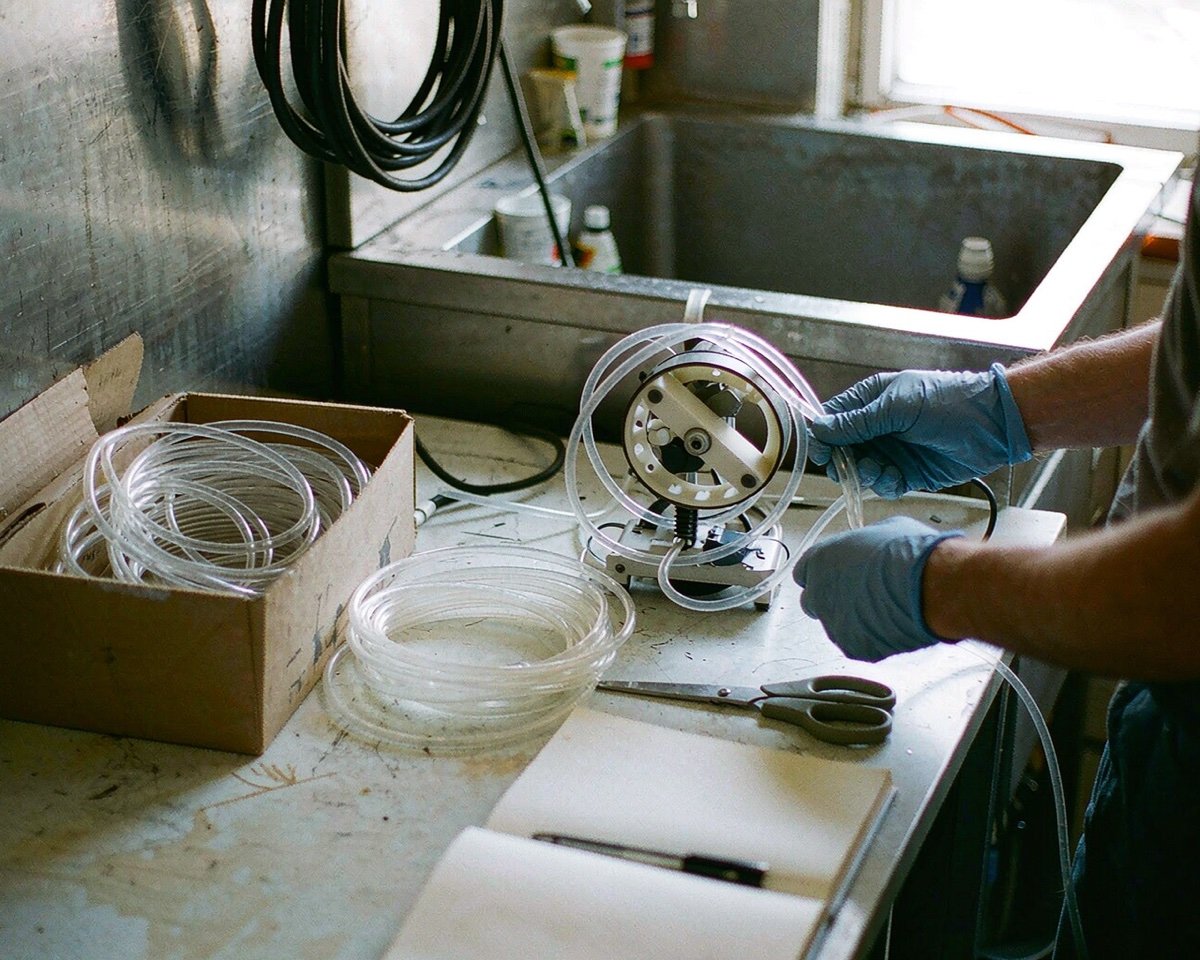
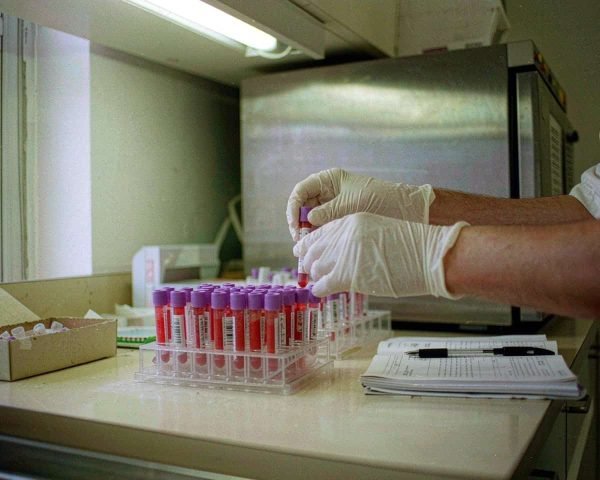

I once spent a full afternoon tracing a weird potassium result back to a blood collection tube. Not the analyzer, not the method, not the phlebotomist. The tube. That day rearranged how I think about consumables in clinical labs, and it is the reason this guide exists.
Clinical diagnostics runs on consumables. The analyzer gets the glory, but the tubes, tips, slides, cups, and swabs decide whether the result was ever worth reporting. This guide walks through what a clinical lab actually needs, the regulations that shape those choices, and how to buy the right items without overspending.
What Counts as a Clinical Diagnostics Consumable
Clinical diagnostics covers everything from a three-test waived clinic to a 24/7 hospital core lab. The product families look different from a research or HPLC lab, and the stakes are different, because every tube is attached to a patient.
The big categories:
- Specimen collection: blood collection tubes (EDTA, citrate, serum, heparin, fluoride), lancets, safety needles, microtainers, urine cups, swabs with transport media.
- Sample handling: pipette tips (regular and filtered), transfer pipettes, cryovials and freezer boxes, labels and barcode tags.
- Analysis: cuvettes and sample cups, reaction vessels, reagent containers, and instrument-specific racks.
- Microbiology and molecular: culture media, Petri dishes, slides, PCR plates and seals, extraction plates.
- Safety and compliance: sharps containers, biohazard bags, spill kits, PPE.
A useful mental split: collection consumables touch the patient, analytical consumables touch the result, and safety consumables touch both. Failure in any of the three eventually shows up in the same place, a delayed or wrong report.
The Regulatory Frame You Are Buying Into
You cannot shop for clinical consumables the way you shop for research plastics. The regulatory envelope decides what you can buy, and it differs by country.
In the United States, the umbrella is CLIA, the Clinical Laboratory Improvement Amendments. Every facility testing human specimens for diagnosis needs a CLIA certificate, and the certificate type (waived, PPM, moderate, high complexity) determines how much quality infrastructure the regulation expects. The CDC’s CLIA test complexity overview is the cleanest summary of how tests are categorized, and the CMS CLIA program page covers certificates and fees.
In Europe, blood collection tubes are regulated as medical devices (Class IIa), and most other clinical consumables carry CE marking under the IVDR or MDR. Many Asian markets run their own classification schemes with similar intent.
Then there is ISO 15189, the quality standard for medical laboratories. It is not optional in much of the world; accreditation bodies audit against it, and it contains explicit requirements for consumable selection, receipt, and verification. The practical translation: your lab must be able to show why it chose a consumable, how it was checked on arrival, and what happened when a lot changed.
That last point matters more than people expect.
Blood Collection Tubes: The Highest-Stakes Consumable You Buy
Nothing in the lab has a bigger preanalytical footprint than the blood collection tube. It sets the additive, the draw volume, the clotting time, and the matrix your analyzer will see.
Three things decide whether a tube is good:
- Draw accuracy. A 4 mL citrate tube that fills to 3.4 mL changes the plasma-to-anticoagulant ratio, and coagulation results drift. Underfilled citrate tubes are the classic example, but any additive system suffers when draw volume wanders.
- Additive consistency. Lot-to-lot variation in spray-dried additives or separator gel shows up as bias. You want a manufacturer who controls and documents this.
- Physical integrity. Stopper seal, wall strength, vacuum retention over shelf life.
The European Federation of Clinical Chemistry and Laboratory Medicine (EFLM) has pushed this issue hard. Their working group published a consensus on how labs should verify new blood collection tubes locally, instead of trusting the manufacturer’s claims alone. The EFLM WG-PRE consensus on ISO 15189 preanalytical requirements recommends comparing a new tube against your current one across a few hundred draws, watching for vacuum failures, clotting, and hemolysis. The original EFLM opinion paper on local tube validation makes the same argument from 2016, and it is still the reference most accreditation assessors have in mind.
My rule after the potassium incident: never switch tube brands on price alone, and never switch without a side-by-side comparison run.
Additives and the Order of Draw
Additive chemistry is the part of tube selection that quietly controls result quality, and it deserves its own walkthrough.
EDTA (usually K2 or K3 salts) binds calcium and preserves blood cells for hematology and whole-blood molecular work. Citrate, in a precise 1:9 ratio with blood, does the same job for coagulation testing, which is exactly why underfilled citrate tubes are unusable rather than merely inconvenient. Serum tubes carry a clot activator and sometimes separator gel; heparin tubes serve plasma chemistry; fluoride oxalate preserves glucose. Each additive earns its place by being correct for one family of tests and wrong for others.
The order of draw exists because of cross-contamination between these additives. Draw EDTA before serum and you can carry anticoagulant into a tube that needs to clot. The published sequence is standardized, but your rack, your tubes, and your training have to agree with each other.
Two purchasing notes that follow from the chemistry:
- Buy additive systems with documented draw-volume tolerance. A manufacturer who specifies a fill range (say 90% of nominal volume as the citrate floor) is telling you they understand why the ratio matters.
- Keep a wall chart of the draw order next to the phlebotomy tray, matched to the exact tube brands in use. When the brand changes, reprint the chart. It sounds bureaucratic until you meet the alternative, which is a citrate contamination investigation three weeks long.
Molecular Workflow Consumables
Molecular diagnostics adds a layer of consumable strictness that surprises people coming from chemistry or hematology.
The consumable chain for a PCR workflow looks like this: collection swabs and transport media, extraction plates and magnetic rods, PCR plates and seals, filtered tips throughout, and optical-quality consumables if the instrument reads through the plate. Every step after collection can be undone by contamination, so the consumables function as part of the contamination control system rather than as accessories to it.
Three standards worth enforcing:
- Filtered tips everywhere in the pre-PCR space. The filter is what stops aerosols from pipetting from turning your workspace into an amplicon farm.
- Certified DNase- and RNase-free claims with lot documentation, for anything touching nucleic acids. “Nuclease-free” printed on a bag without a certificate is marketing.
- Plate seals matched to the thermal cycling profile. A seal that peels at 95 °C turns a qPCR run into evaporation trivia.
An anecdote I relay to customers: a molecular lab once traced intermittent low positives to a batch of plates with slightly warped skirts that rocked in the block, giving uneven thermal contact. The plates were cheap. The repeat testing was not.
Controls, Calibrators, and Proficiency Testing
A category that never appears in “lab supplies” catalogs but belongs in the same budget conversation: the consumables that prove your results mean something.
Control materials and calibrators are consumables with expiry dates, storage requirements, and lot-to-lot variation, and a clinical lab consumes them every single day. When a control lot changes, your levey-jennings charts need a documented transition, and when proficiency testing samples arrive, they get handled with the same chain of custody you would give real specimens.
Plan for them the way you plan for tubes:
- Track control lot numbers alongside patient QC data, so a shift is attributable to the reagent or the control.
- Keep enough of a control lot in stock to bridge a calibrator lot change, because changing both at once makes every shift ambiguous.
- Store them exactly as the insert states. A control stored at room temperature because “it was only overnight” is a new variable in your QC history.
The labs that run cleanest surveys are rarely the ones with the best analyzers. They are the ones whose QC consumables are managed with the same discipline as their patient-facing supplies.
Supplier Qualification for Clinical Labs: Volume Consumables With Hidden Standards
These are the items you burn through by the thousand, which makes them tempting targets for cost cutting. A few quality markers separate the good ones.
Filtered tips: the filter should be an integral polyethylene baffle, not a loose pellet. For molecular work, an aerosol-resistant filter is what stands between your pipette and your amplicon. Low-retention tips matter when you pipette proteins, surfactants, or viscous matrices; a tip that hides 10 µL of your 50 µL plasma aliquot is not cheap, it is expensive.
Sample cups and cuvettes: optical clarity and dimensional tolerance are the whole game. A cup wall that flexes in the rack causes sampling errors that look like instrument faults. If your analyzer vendor sells qualified cups, the aftermarket alternative needs to document equivalent dimensions and material, and the word “fits” is not documentation.
Plate consumables for molecular labs: lot consistency in well volume and skirt flatness matters more than brand familiarity, and DNase-free/RNase-free claims should come with certificates you can file.
Swabs, Transport Media, and Microbiology Basics
Collection devices for microbiology and molecular testing are consumables with a regulatory spine. Flocked nylon swabs, Amies gel transport, viral transport media, each exists because a specific organism survives or dies under specific conditions.
The selection logic is simple to state and easy to get wrong: match the transport system to the organism and the assay. A swab shaft that works for nasopharyngeal collection may shed inhibitors that choke a PCR. If your assay kit instructions name a compatible collection device, treat that list as binding, not advisory.
Labels, Barcodes, and Traceability
Mislabeling is the classic preanalytical failure, and consumables sit right in the middle of it. Cryo labels that survive liquid nitrogen, barcode labels that scan on the first pass, write-on vial patches that do not smear with ethanol: these are cheap reliability wins.
A practical test I use before committing to a label stock: put it through your worst case. LN2, a 37 °C incubator, a splash of xylene, and a gloved thumb. If it survives all four, buy it by the case.
Storage and Inventory Conditions for Clinical Consumables
Storage looks boring until a lot fails. Blood tubes have expiry dates because additives and vacuum degrade; transport media have expiry dates because buffers drift; even pipette tip racks age badly in ultraviolet light.
Basic rules that pay off:
- Store tubes at room temperature, away from direct sun, and rotate stock first-expiry-first-out.
- Never freeze liquid transport media; freezing can crack containers and destabilize preservatives.
- Keep filtered tips sealed until use. A rack left open over a weekend in a busy lab collects whatever the lab exhales.
- Track opened dates on any sterile package with a resealable lid.
Add a quarantine habit to the same shelf: any box with a damaged wrapper, a doubtful cold-chain transit, or an expired date gets physically separated the moment it is noticed, not “flagged for later”. Expired tubes that stay intermixed with good stock are how an expired tube ends up in a draw. A labeled quarantine bin costs nothing and ends the ambiguity, and the monthly expiry sweep becomes a two-minute walk instead of an investigation.
If you want a deeper treatment of the storage side, our guide on how to store lab consumables for maximum shelf life covers the general rules, and the same logic applies with sharper edges in clinical work because of expiry-driven waste.
Supplier Qualification for Clinical Labs
Clinical procurement adds a step that research labs skip: supplier and product qualification under your quality system. In practice that means a file with the manufacturer’s ISO 13485 certificate, device registration or listing where applicable, CoAs for critical lots, and your own incoming verification records.
How I run it in three levels:
- Critical patient-contact items (tubes, swabs, media): full validation on change, side-by-side with incumbent, documented acceptance criteria.
- Analytical consumables (cups, tips, plates): incoming dimensional and functional check per lot, spot analytical comparison on any new lot.
- General supplies (gloves, bags, labels): supplier certificate review plus a sanity check on first receipt.
Our article on what lab consumables certifications actually mean explains the certificates you will see in those files, and our complete guide to pharmaceutical lab consumables covers the overlapping GMP world if you also run QC work.
When a Lot Changes: The Quiet Supply Risk
Here is a failure mode that never shows up on a purchase order: the same product, same part number, different lot. Everything from spray-dried EDTA dose to separator gel viscosity to mold surface finish can shift between manufacturing lots, and in clinical work those shifts are measurable.
The regulatory expectation (and common sense) says incoming lots of critical consumables get verified. In practice, the depth varies:
- For blood tubes, check draw volumes on a sample of the new lot and, for coagulation tubes, run a comparison against the outgoing lot.
- For analytical plastics, spot-check dimensions and run your routine QC; a bad lot announces itself in the charts within a day.
- For media and transport systems, verify expiry dating and do a functional check on first use.
What makes lot changes dangerous is timing: they arrive quietly in the middle of your normal delivery, the old and new stock mix on the shelf, and the first symptom is a drift nobody can attribute. The fix is procedural, not expensive: record lot numbers on receipt, shelve new lots behind old ones, and note the lot transition date in the QC log. Ten minutes of paperwork per delivery, and attribution becomes trivial instead of forensic.
Transport and Reception Inside the Hospital
Between the draw site and the analyzer there is a logistics chain, and consumables decide whether samples survive it.
Pneumatic tube systems, the standard in most hospitals, subject samples to acceleration and landing forces. Tubes travel fine in them; uncapped urine cups and loosely capped centrifuge tubes do not. If your consumable set includes anything that rides the tube system, the cap matters as much as the container.
Reception is the other choke point. A receiving bench needs spare barcode labels, replacement caps, biohazard bags for recollection paperwork, and a rejection log. Every one of those is a consumable purchase, and every one of them is cheaper than a callback to a ward at 3 a.m.
One purchasing insight from the hospital side: buy transport and reception consumables as a kit per shift rather than ad hoc. When the evening shift runs out of biohazard bags, samples get carried by hand to the lab in whatever is available, and that is a safety incident waiting for a date.
Questions to Ask Before Signing a Clinical Supplier
By the time a rep is standing in your office, the brochure has done its job. These questions do the rest, and they separate suppliers who supply clinical labs from suppliers who sell plastics.
Ask about lot traceability first: how far back can they trace a specific lot, and what triggers a recall notification? A supplier who answers with a time (48 hours) and a process (who gets called, in what order) has actually run one.
Ask about change control: will they notify you before a mold, a resin lot, or an additive process changes, or will you find out from your charts? The honest answer is usually “changes happen, notification depends”, so push for it in writing as a service agreement clause.
Ask for the physical specifics behind the catalog claims: draw-volume tolerance distribution rather than “accurate fill”, particulate counts rather than “clean”, extractables data rather than “high purity”. Numbers exist for all three at any manufacturer worth qualifying.
Finally, ask about continuity: what is the expected shelf life, what is their stock position in your region, and what is the stated lead time at your order volumes? A clinically perfect tube that backorders every winter is not clinically perfect for your lab. Get the answers in an email, file it in the supplier folder, and the assessor in year three will thank you.
Managing Cost Without Gambling on Quality
Clinical consumables have brutal unit economics at scale: a hospital drawing thousands of tubes a day feels every tenth of a cent. The savings that survive an audit come from process, not from downgrading products.
- Consolidate brands per product family. Fewer tube brands means fewer validation burdens and better bulk pricing.
- Batch orders to cut freight and administrative cost, and to smooth delivery across weeks instead of firefighting shortages.
- Right-size the product: a 1.3 mL microtainer instead of filling a 4 mL tube twice is both cheaper per test and kinder to pediatric patients.
- Track waste by cause. Tubes expired on the shelf, draws recollected for hemolysis, cups cracked in racks; each has a different fix, and none of them is “buy cheaper tubes”.
One warning from experience: the most expensive tube you will ever buy is the one that forces a redraw. Second draw means a second needle stick, a second label, a second hour of phlebotomy time, and sometimes a delayed diagnosis.
The arithmetic gets sharp at scale. If downgrading a tube saves 0.01 per unit but adds one redraw per 200 draws, a lab drawing 2,000 samples a day pays for the saving ten times over in recollection labor alone, before counting the clinical delay. Run that math before any tender switches a patient-contact consumable, because the invoice will never run it for you.
Building the Buying Calendar
Clinical consumables reward rhythm. The labs that never panic-buy run on three overlapping cycles:
- Weekly: consumption tally for the top ten SKUs (tubes by additive, tips, cups). Five minutes with a clipboard or a simple form.
- Monthly: expiry sweep of the stockroom, reorder-point review, and the supplier performance notes (late deliveries, damaged boxes, short picks).
- Quarterly: the full reconciliation. Consumption against budget, waste by cause, and a look at whether any product family has drifted into single-sourcing risk.
The calendar matters because clinical demand is lumpy in predictable ways: flu season doubles some tube volumes, a new analyzer validation consumes controls and calibrators nobody budgeted, and teaching hospitals see August arrivals who use more of everything while they learn. A buying rhythm absorbs those waves. Panic buying, besides costing more, produces the one thing a clinical lab cannot afford: whatever the supplier had in stock instead of what the method requires.
Training and Documentation Ties It Together
Every control in this guide depends on someone knowing it, which makes training a consumable-adjacent investment that actually shows up in the data. New phlebotomists need the order of draw against your actual tubes. New bench staff need the incoming-check procedure for tips and cups. New stockroom hands need the FEFO rule and the quarantine bin. None of this is elaborate; all of it decays without refresh.
Documentation is the same story in a binder. The documents that save labs are short and local: a one-page incoming verification checklist, a lot-change log with columns someone actually fills in, a laminated sorting card at the disposal station. A 40-page SOP nobody opens is documentation theater. When an assessor asks how a tube lot was verified, the winning answer is a filled-in form from last month, and that form exists because someone designed it to be easier to complete than to skip.
Budget for printing, laminating, and replacing these aids the way you budget for gloves. They wear out, they walk away, and their absence costs more than their replacement ever does.
Common Pitfalls (and How to Avoid Them)
Pitfall 1: Switching tube brands for a tender price
I watched a lab save 12% on tubes and lose a week to recollections when the new stopper design caused micro-clots. Validate before you switch, always.
Pitfall 2: Ignoring order of draw implications
Mixing additive systems across suppliers is fine when each tube type is correct, but your phlebotomy training material must match the actual tubes in the rack. Wrong training, wrong draw, contaminated citrate.
Pitfall 3: Letting expired stock ride
Expired tubes are not “probably fine”. Vacuum and additive performance are guaranteed to the expiry date and unknown after it. Build a monthly expiry sweep into the stockroom routine.
Pitfall 4: Treating labels as an afterthought
Every scanning failure at the analyzer is someone walking back to the bench. Cheap label upgrades routinely pay for themselves in a month.
Conclusion
Clinical diagnostics consumables look like the simplest line on the budget and behave like the riskiest. Tubes decide preanalytical quality, tips and cups decide whether the analyzer sees what the method assumes, and labels decide whether the right result reaches the right chart. Buy against your quality system, not just your catalog: qualify suppliers, verify incoming lots, and validate anything that touches a patient before you trust it. Start by stabilizing your two highest-volume items, the blood collection tube and the pipette tip, then extend the same discipline outward. If you are building the broader procurement picture, the same qualification logic extends outward, and our article on what “certified” means for HPLC vials shows how the documentation side looks in analytical work.
Frequently Asked Questions
What is the difference between CLIA waived and non-waived testing?
Waived tests are simple procedures with a low risk of an erroneous result, such as dipstick urinalysis or glucose monitoring, and sites performing only waived tests mainly need a CLIA certificate and must follow manufacturer instructions. Moderate and high complexity testing requires inspection, proficiency testing, qualified personnel, and full CLIA quality standards.
Do I need to validate blood collection tubes if the manufacturer already tested them?
Yes, if you follow ISO 15189 or want to match EFLM guidance. Manufacturer validation covers their design claims, not your combination of phlebotomy practice, transport conditions, and analyzer. A local comparison of a few hundred paired draws catches issues like vacuum failures and hemolysis before they reach patients.
How often should clinical labs reorder high-volume consumables?
Base it on measured consumption, not habit. Track usage per week for tubes, tips, and cups, set a reorder point at roughly two weeks of demand plus supplier lead time, and review quarterly. Automated low-stock alerts from even a simple spreadsheet beat last-minute panic orders.
What should be in a consumable supplier file for ISO 15189?
At minimum: the supplier’s quality certificate (ISO 13485 for device makers), product regulatory status (FDA listing, CE marking, or local equivalent), certificates of analysis for critical lots, your incoming inspection records, and the periodic supplier evaluation. Assessors look for the loop: selection, verification, monitoring.
Can I mix brands of blood collection tubes in one draw sequence?
Yes, if each tube type is correct for the test and your order-of-draw procedure is followed. The bigger risk is switching a tube type’s brand without validation, because additive dose, gel density, and draw volume behavior vary between manufacturers even when the color cap looks identical.