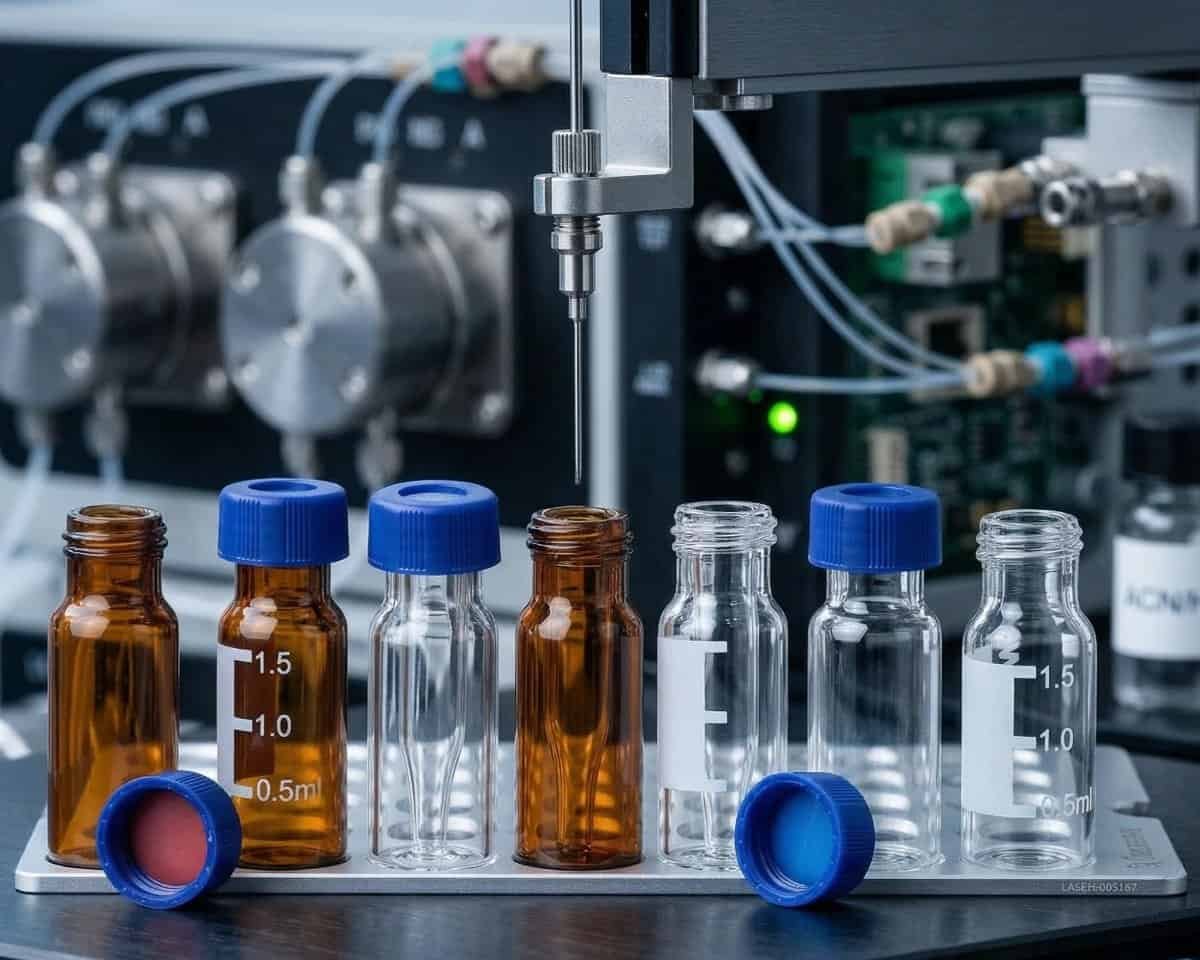
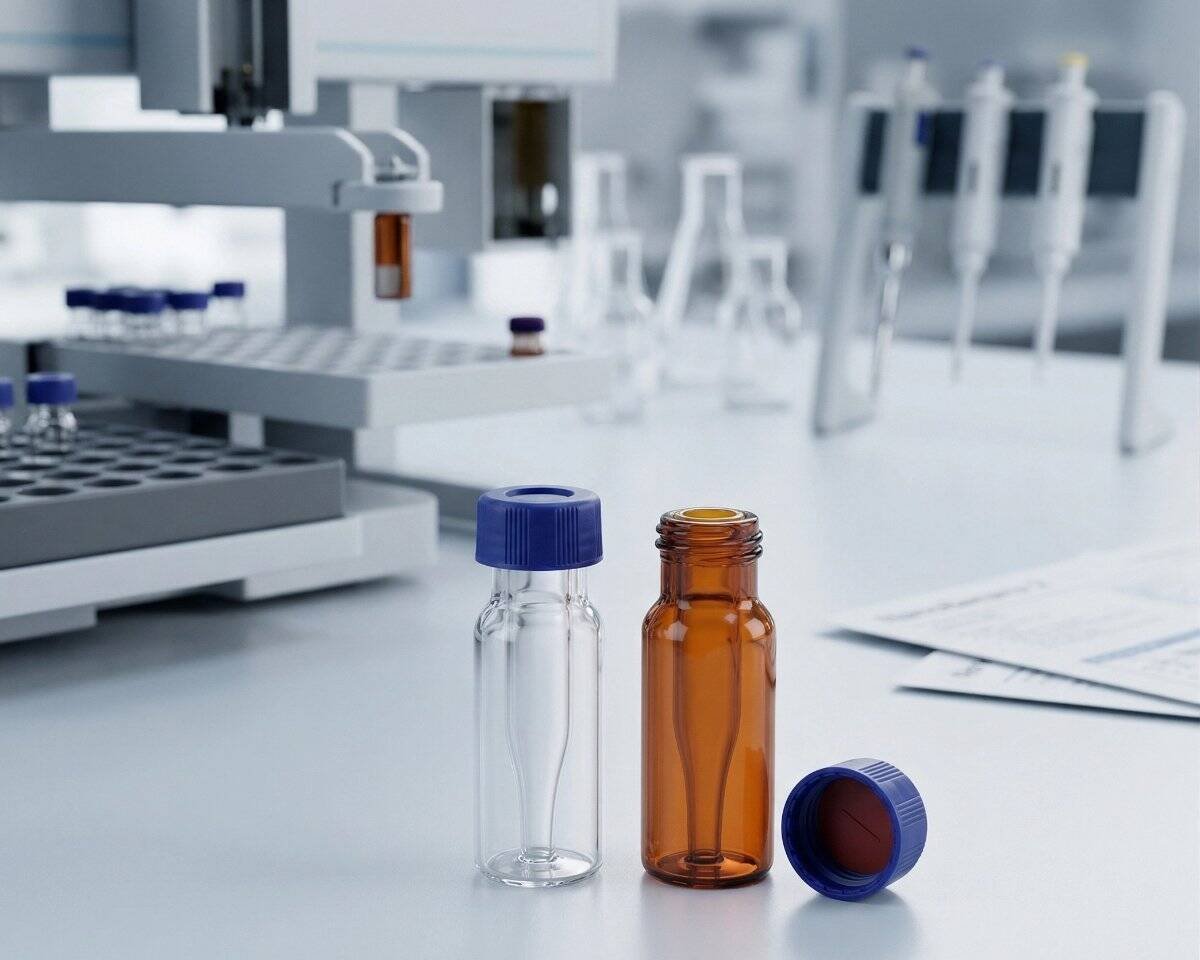
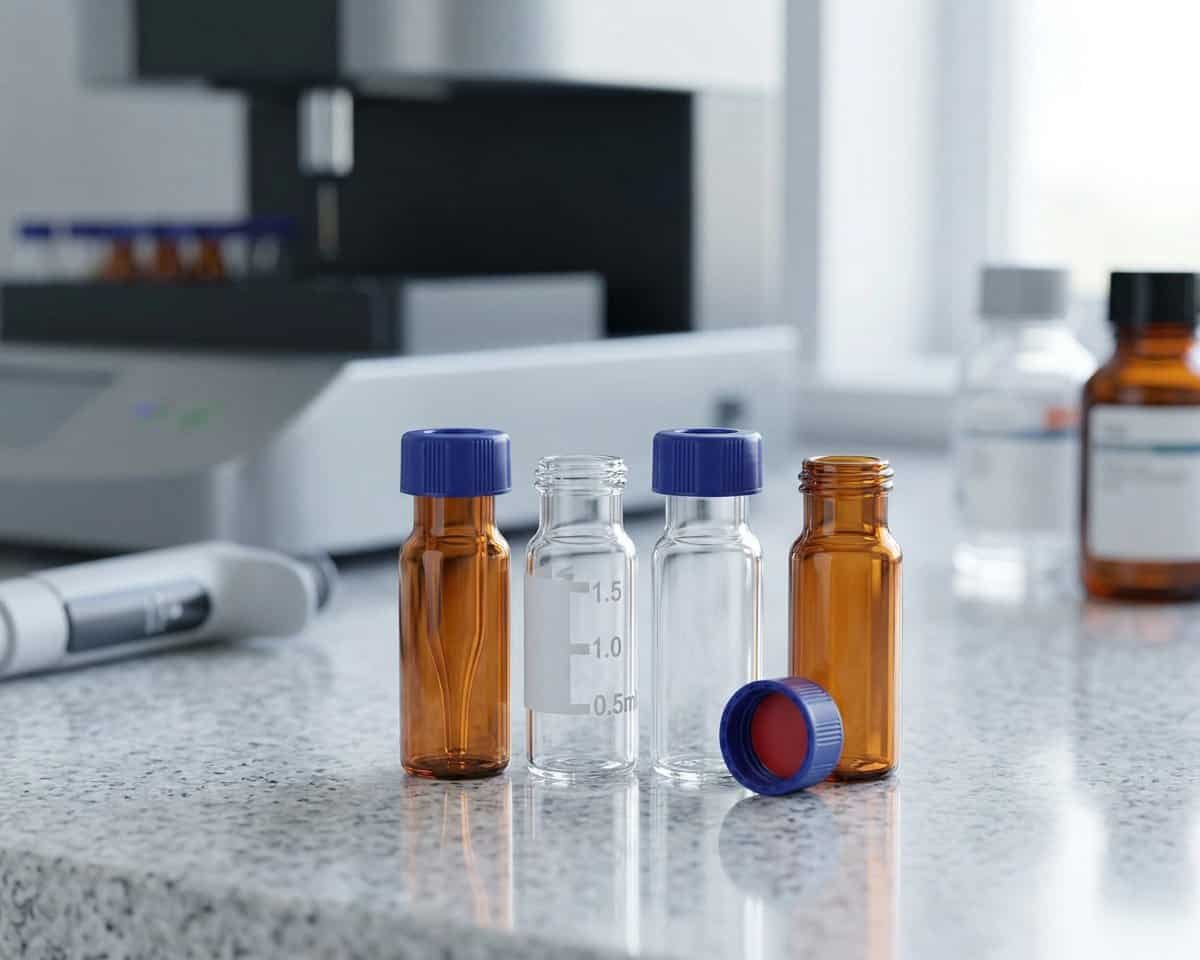
ND9 Screw Integrated Vial

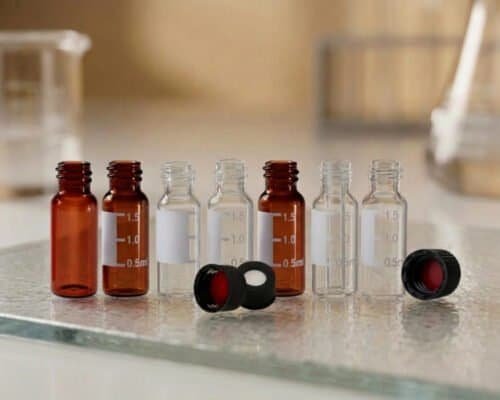
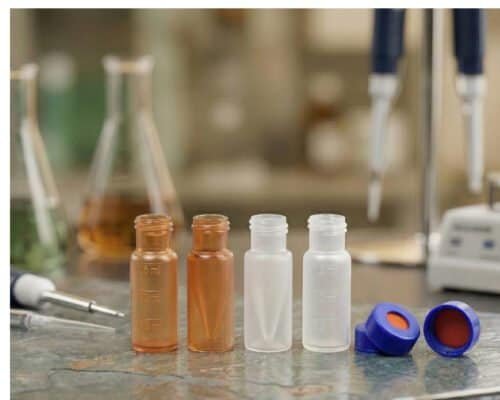
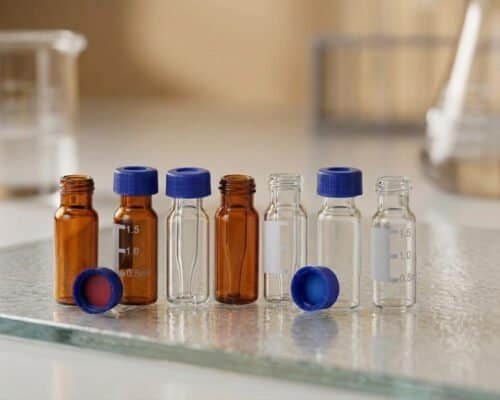
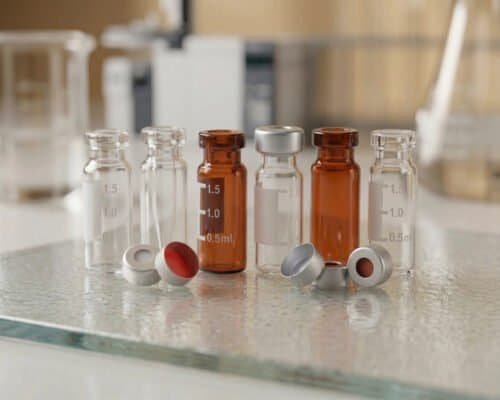
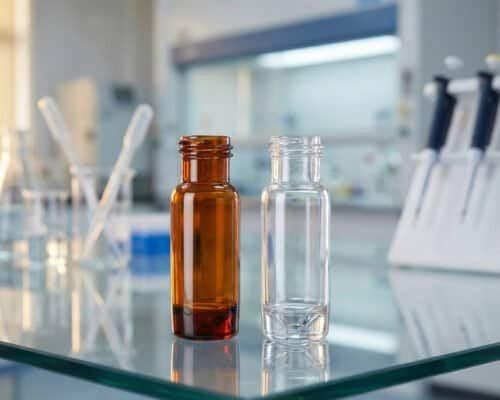
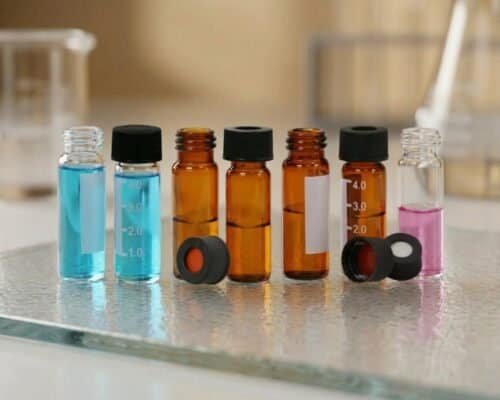
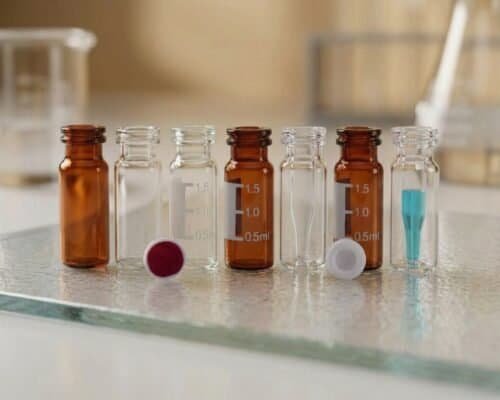
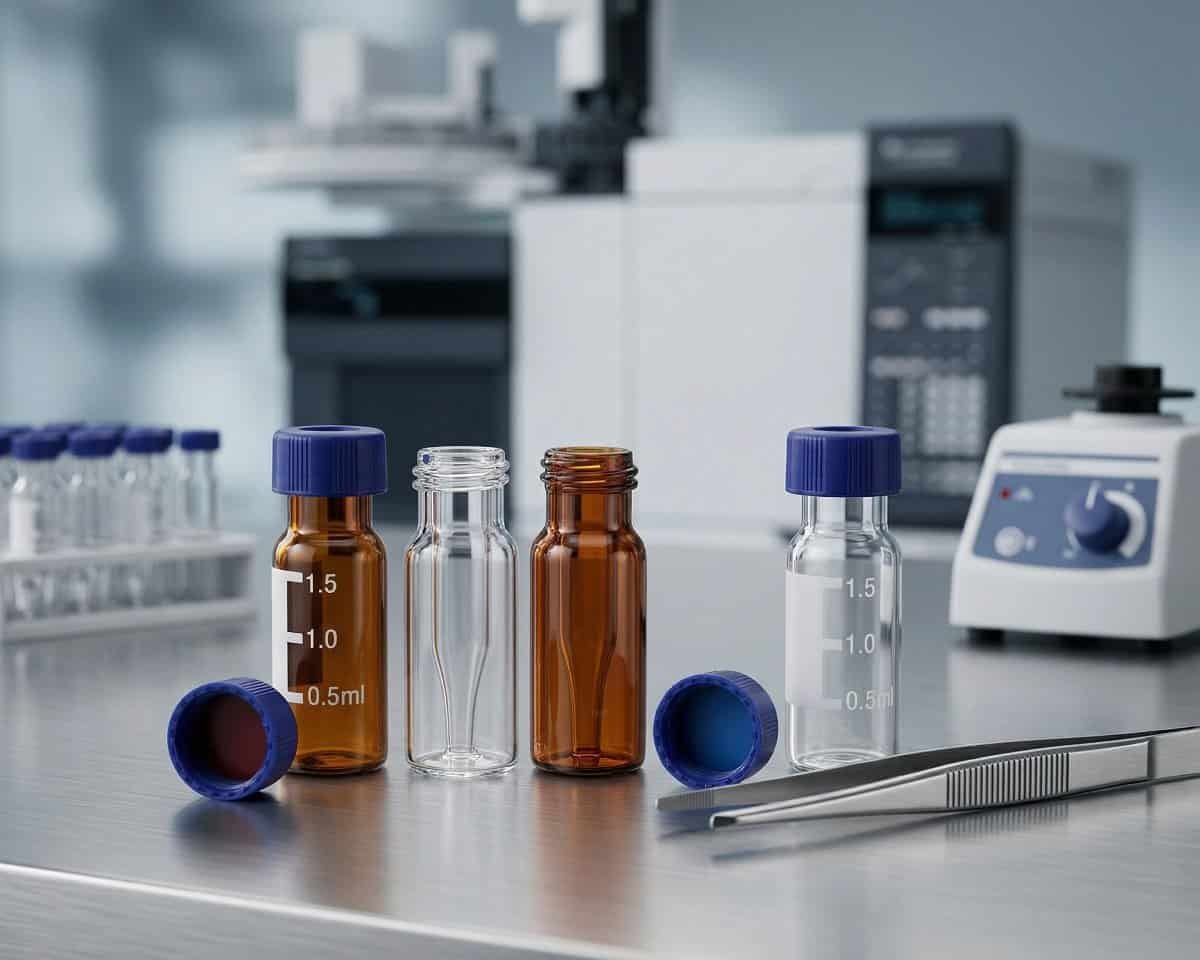
Mastelf 2mL ND9 Integrated Insert Vials feature a 9-425 screw thread and fused insert design, providing maximum sample recovery and stability. Available in clear and amber glass, ideal for low-volume autosampler analysis.

Additional information

Brand

Mastelf

Material

Type 33, 51 and 70

Bottom Type

Flat Bottom

Writing Patch

Available

Color

Amber and Clear

Size

12x32mm

Silanized

No

Packing

Pakkaging in pp tray and plastic film covered

Volume

300ul

Autosampler compatibility

HPLC and GC

Storage Temperature

RT

Additional(s)

ND9 Screw Neck

Our Mastelf 2mL ND9 Screw Glass Vials with Integrated Insert are specially designed for low-volume and high-precision autosampler applications. Featuring a 9-425 screw thread and standard 12 × 32 mm dimensions, these vials are fully compatible with mainstream autosampler systems.

The integrated (fused) insert design means the insert is permanently bonded into the vial during manufacturing. This eliminates insert movement, significantly reducing the risk of sample loss, contamination, and positioning errors.

Available in both clear and amber glass, these vials are ideal for routine analysis as well as light-sensitive samples.

Key Features

  • 2mL standard autosampler vial (12 × 32 mm)
  • ND9 / 9-425 screw thread
  • Integrated (fused) insert design
  • Insert volume approx. 250µL
  • Eliminates insert movement during transport and use
  • Reduces contamination risk
  • High recovery with low residual volume
  • Available in clear and amber glass
  • Suitable for HPLC, GC, LC-MS, GC-MS

Specifications

ItemDescription
Product NameND9 Integrated Insert Vial
Capacity2mL
Insert Volume~300µL
Dimensions12 × 32 mm
Neck Finish9-425
MaterialGlass
ColorClear / Amber
Closure9 mm Screw Cap
ApplicationLow-volume autosampler analysis

Integrated Insert Advantage

Our ND9 integrated insert vials provide a one-piece construction, offering key benefits:

  • No insert movement during shipping or handling
  • Improved needle alignment accuracy
  • Reduced risk of external contamination
  • Enhanced sample recovery performance
  • More consistent and reliable analytical results

These vials are especially suitable for:

  • Trace analysis
  • Limited sample volumes
  • High-value samples

Comparison with Loose Insert Vials

FeatureIntegrated InsertLoose Insert
Insert MovementFixedPossible
Contamination RiskLowHigher
Sample RecoveryHighModerate
Handling StabilityExcellentVariable

Compatible Autosamplers

Our 2mL ND9 integrated insert vials are compatible with autosamplers including:

Agilent

  • 1100
  • 1200
  • 1260 Infinity
  • 1290 Infinity
  • 1260 Infinity II
  • 1290 Infinity II
  • 7693A

Waters

  • 717
  • 2690
  • 2695
  • Alliance
  • ACQUITY UPLC
  • 2707
  • 2777

Shimadzu

  • SIL-10A
  • SIL-20A
  • SIL-30AC
  • SIL-30ACMP
  • Nexera Series

Thermo Scientific

  • UltiMate WPS-3000
  • TriPlus Series
  • Accela Autosampler

PerkinElmer

  • Series 200
  • AS-100
  • AS-300

CTC / LEAP

  • PAL
  • PAL XT
  • PAL RTC

Applications

Our ND9 integrated insert vials are widely used in:

  • HPLC / UHPLC analysis
  • LC-MS / GC-MS workflows
  • Pharmaceutical analysis
  • Environmental testing
  • Food and beverage testing
  • Trace-level analysis
  • Low-volume sample analysis

Clear vs Amber

Clear Vials

  • Suitable for routine applications
  • Easy visual inspection

Amber Vials

  • Ideal for light-sensitive samples
  • Protect samples from UV degradation

Why Choose Mastelf ND9 Integrated Insert Vials?

At Mastelf, we focus on delivering high-quality alternatives to leading brands.

Our vials are manufactured using:

  • Precision glass forming technology
  • Clean production environment
  • Strict quality control systems

This ensures:

  • Reliable and consistent performance
  • Reduced background interference
  • Stable sample handling in autosampler systems

FAQ

Q1: What is an integrated insert vial?

It is a vial where the insert is permanently fused into the vial, forming a single structure.

Q2: Why choose ND9 integrated insert vials?

They provide better recovery, stability, and reduced contamination compared to loose insert vials.

Q3: What sample volume is suitable?

Typically low-volume samples (~300µL).

Q4: Are these vials compatible with autosamplers?

Yes, they follow standard 12 × 32 mm ND9 format.

Q5: Do you offer amber versions?

Yes, both clear and amber options are available.

Frequently Asked Questions

An autosampler vial is a small, specially designed container used in laboratory settings to hold liquid samples for automated injections into analytical instruments like chromatographs or mass spectrometers. Imagine it as a tiny, high-tech cup for your precious liquid samples!

Reusing vials and septa can mess up your chromatography and cause your assays to fail. You might have to redo the whole experiment, which can be time-consuming and frustrating.

Screw-top vials are the go-to for HPLC and LCMS. You don’t need any special tools to put the cap on or take it off. Crimp vials are the preferred choice for GC analysis. They’re the gold standard when it comes to preventing sample evaporation.

  • When it comes to vial material, glass is your go-to for sensitive HPLC work. But plastic has its moments too, like when you’re dealing with chemicals that don’t get along with glass, like hydrogen fluoride. 
  • Plastic vials are perfect for analyzing heavy metals, water, and proteins, and for capillary electrophoresis (CE) and ion chromatography (IC). 

High recovery vials are indeed a specific type of container used in laboratory settings, particularly in chromatographic analyses like HPLC and LCMS. They’re designed to minimize sample loss on the vial walls, meaning you get more of your precious sample available for injection and analysis, leading to potentially better results.

Here’s what makes high recovery vials special:

  • Surface treatment: Typically have a silanized or deactivated surface, which reduces the interaction between the vial wall and your sample molecules. This prevents sticking and adsorption, ensuring more of your sample remains available for analysis.
  • Vial shape: Some high recovery vials have a conical bottom to concentrate the sample at the bottom, making it easier to extract and inject the entire sample volume.
  • Closure design: Certain types might have a special cap liner that further minimizes sample loss through evaporation or interaction with the cap material.

When would you need to use high recovery vials?

  • Low-abundance samples: When you have limited sample volume or your analytes are present in trace amounts, maximizing sample recovery is crucial for accurate analysis.
  • Sticky analytes: Certain molecules tend to stick to glass surfaces, leading to sample loss. Using high recovery vials helps overcome this issue and improve analysis accuracy.
  • Sensitive assays: When your analysis requires accurate quantification of every available sample molecule, even small losses on the vial wall can significantly impact the results. High recovery vials minimize this risk.
  • Cost concerns: Repurchase or synthesis of expensive samples can be costly. High recovery vials help prevent the need for resampling by maximizing the available sample for analysis.

Things to consider when using high recovery vials:

  • Cost: High recovery vials are typically more expensive than standard vials.
  • Compatibility: Ensure the vials are compatible with your autosampler and analytical instrument.
  • Storage: Choose appropriate storage conditions based on your sample and vial material.

Overall, high recovery vials are a valuable tool for any chromatographer seeking to maximize sample recovery, improve analysis accuracy, and potentially reduce costs in the long run. If you’re working with limited samples, sticky analytes, or sensitive assays, consider using high recovery vials for optimal results.

Ask For A Quick Quote

We will contact you within 1 working day, please pay attention to the email with the suffix “@new.mastelf.com”