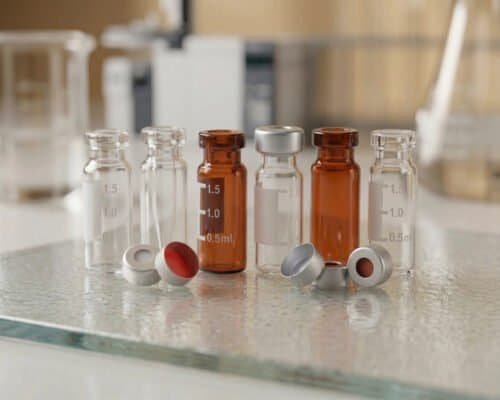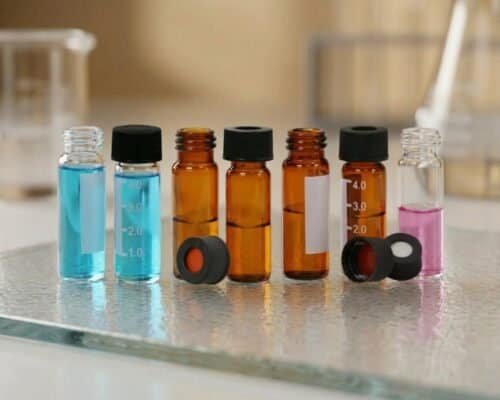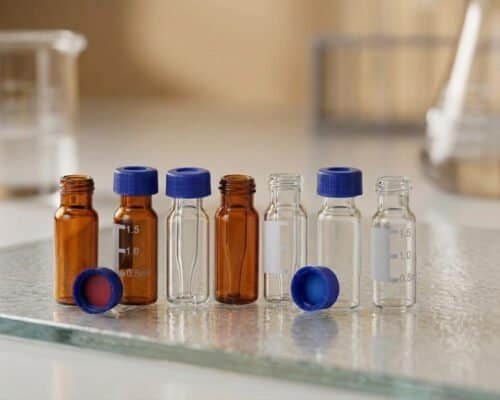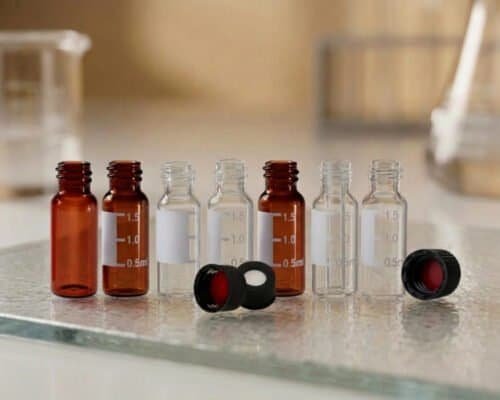
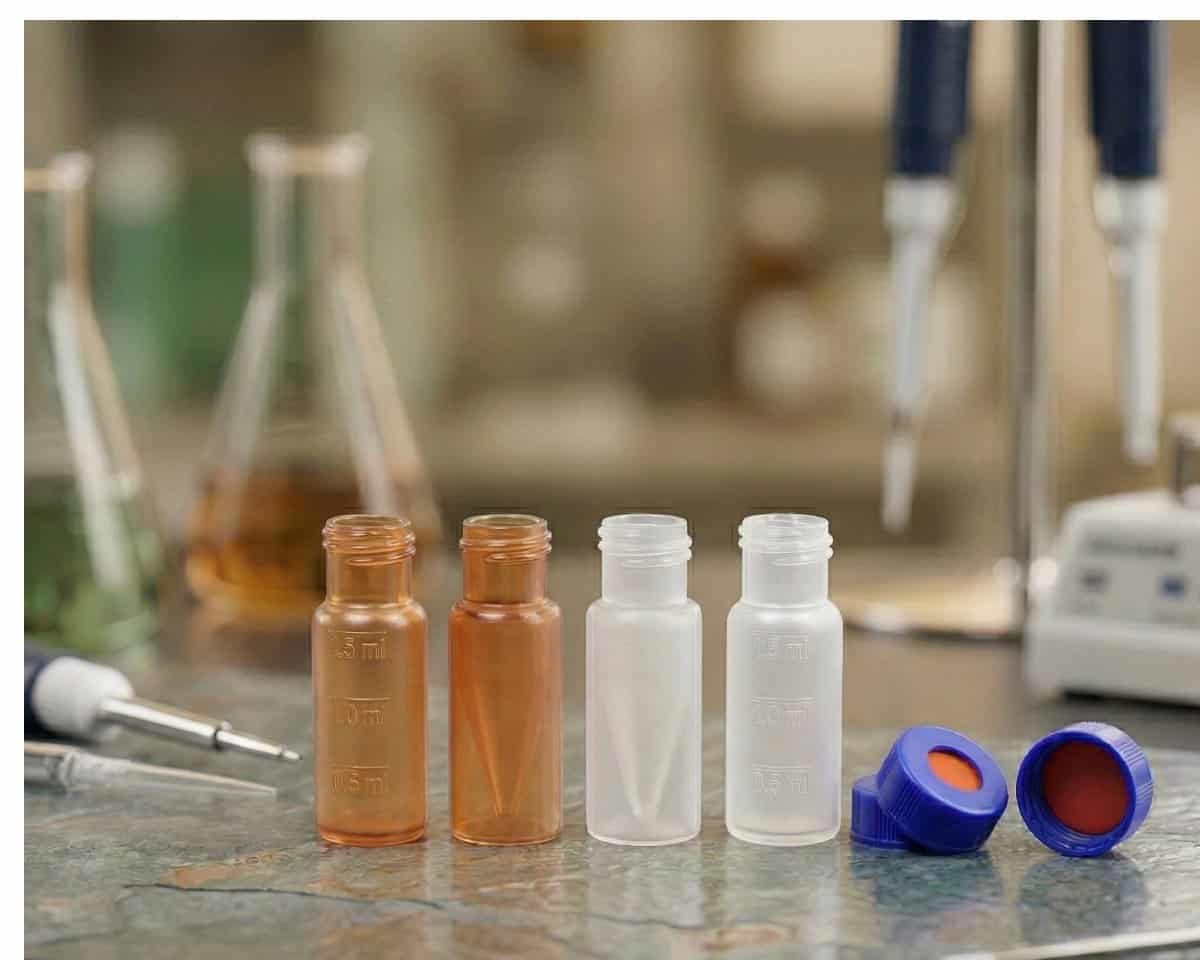
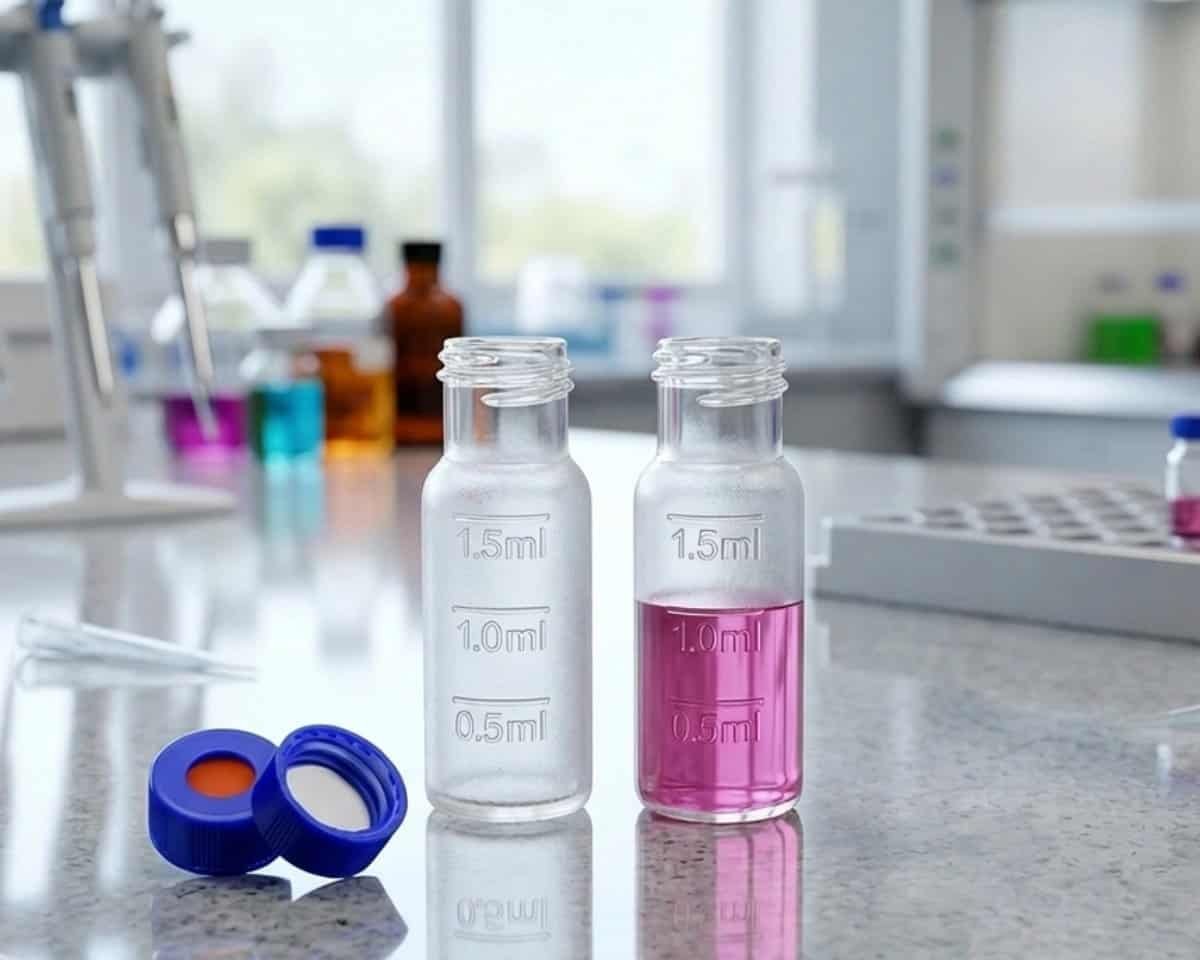
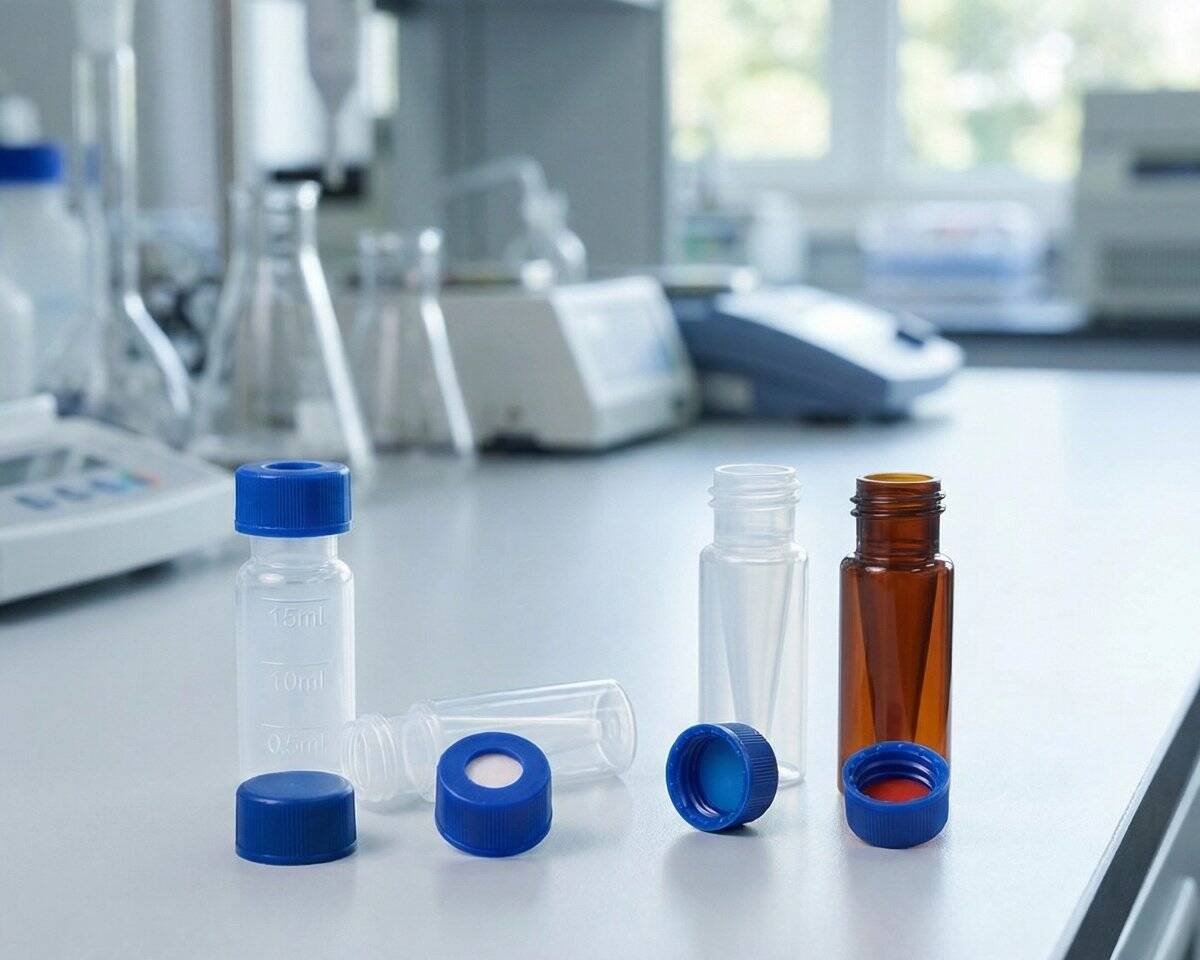
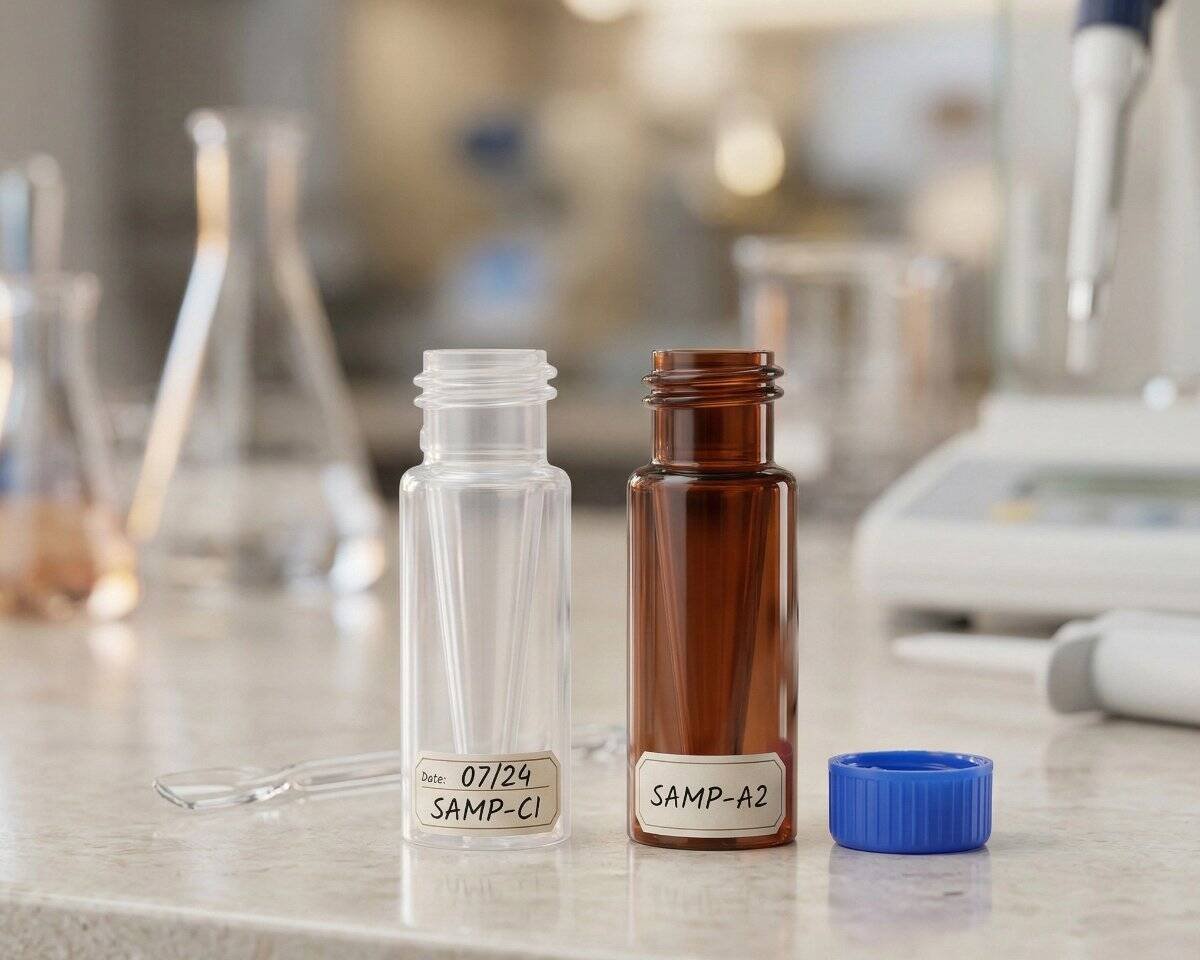
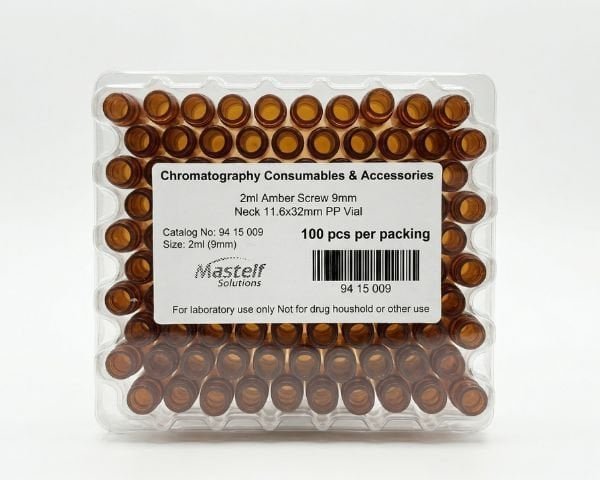
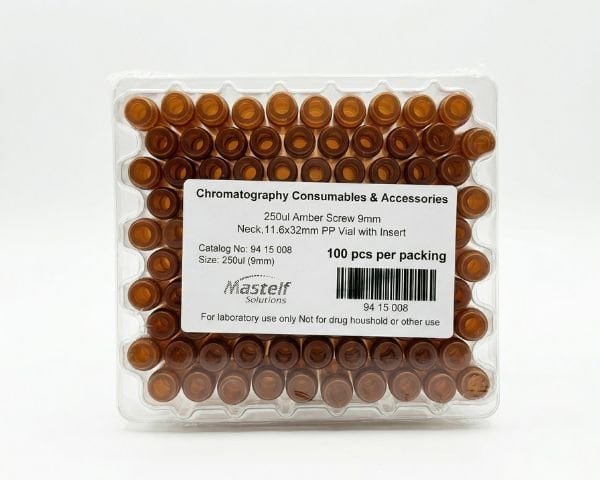
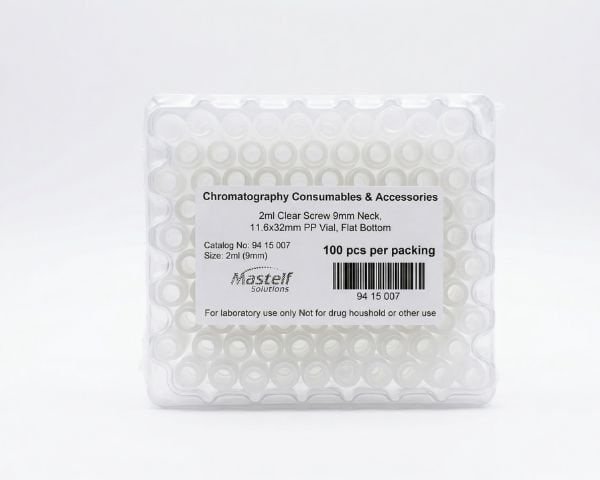
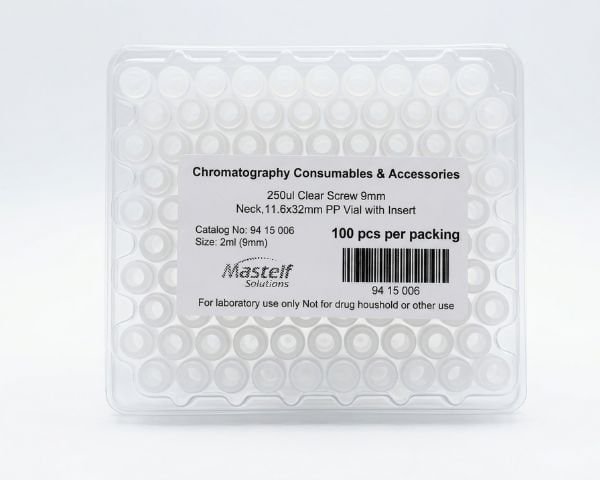
2mL/250µL ND9 PP Screw Vial

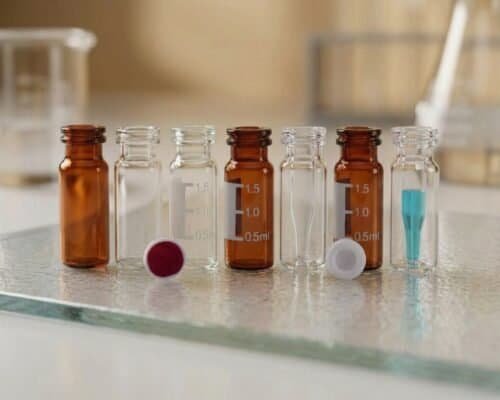
Mastelf PP HPLC vials available in 2mL and 250µL sizes, including clear and amber options. Ideal for heavy metal, water, protein analysis, ion chromatography (IC), and capillary electrophoresis (CE).

Additional information

Brand

Mastelf

Material

Polypropylene (PP)

Bottom Type

Flat Bottom

Writing Patch

Available

Color

Amber and Clear

Size

12x32mm

Silanized

No

Packing

Pakkaging in pp tray and plastic film covered

Volume

250µL/2ml

Autosampler compatibility

HPLC, IC, CE, low-volume sample analysis

Additional(s)

ND9 Screw Neck

Mastelf’s 2mL and 250µL ND9 PP Screw Vials are designed for laboratory sample handling and chromatography applications where glass vials may not be the ideal choice. Made from high-quality polypropylene (PP), these vials are suitable for applications involving heavy metals, water, proteins, ion chromatography (IC), and capillary electrophoresis (CE).

Glass vials do not fit some applications due to their chemical composition and surface properties. In these cases, plastic vials are the preferred solution. PP vials are especially suitable when there is concern about sample interaction with glass surfaces or when a reliable alternative is needed for sensitive analytical workflows.

This product range includes four common options in one series:

  • 2mL Amber PP Screw Vial
  • 250µL Amber Integrated PP Micro Vial
  • 2mL Clear PP Screw Vial
  • 250µL Clear Integrated PP Micro Vial

These options allow users to choose the right vial according to sample volume, light sensitivity, and application requirements.

Product Range

1. 2mL Amber PP Screw Vial

Designed for routine sample storage and autosampler use, this vial combines the advantages of polypropylene material with amber color protection for light-sensitive samples.

2. 250µL Amber Integrated PP Micro Vial

This low-volume amber vial is ideal for precious or limited samples that require improved sample recovery and light protection.

3. 2mL Clear PP Screw Vial

A standard polypropylene vial for routine laboratory analysis, suitable for users who need easy visual inspection of the sample.

4. 250µL Clear Integrated PP Micro Vial

A clear low-volume PP vial designed for small-volume analysis, helping improve sample utilization in trace and precious sample applications.

Key Features

  • Made from high-quality polypropylene (PP)
  • Available in 2mL and 250µL capacities
  • Offered in both clear and amber versions
  • 2mL version with screw neck design
  • 250µL version with integrated micro vial design
  • Suitable for applications where glass vials are not recommended
  • Lightweight and break-resistant
  • Ideal for routine analysis, low-volume analysis, and light-sensitive samples
  • Compatible with chromatography and laboratory workflows

Specifications

Product NameCapacityColorDesignApplication
2mL Amber PP Screw Vial2mLAmberScrew VialRoutine analysis, light-sensitive samples
250µL Amber Integrated PP Micro Vial250µLAmberIntegrated Micro VialLow-volume, light-sensitive, high-recovery analysis
2mL Clear PP Screw Vial2mLClearScrew VialRoutine laboratory and chromatography use
250µL Clear Integrated PP Micro Vial250µLClearIntegrated Micro VialPrecious samples, trace analysis, low-volume use

Why Choose PP Vials Instead of Glass?

PP HPLC vials are preferred in many analytical applications because glass vials are not suitable for every sample type. Due to the chemical composition and surface properties of glass, certain analyses may be affected by unwanted interaction with the vial material.

PP vials are especially recommended for:

  • Heavy metal analysis
  • Water analysis
  • Protein analysis
  • Ion chromatography (IC)
  • Capillary electrophoresis (CE)

Compared with glass, polypropylene vials are also lighter and less likely to break during transport and handling, making them a practical choice for everyday laboratory use.

Clear vs. Amber

To meet different analytical needs, this PP vial series is available in both clear and amber options.

Clear PP Vials

Clear vials are suitable for routine applications where visual observation of the sample is important.

Amber PP Vials

Amber vials are recommended for light-sensitive samples that require better protection from UV or visible light exposure during storage and analysis.

2mL vs. 250µL

This product line includes both standard-volume and low-volume options.

2mL PP Vials

The 2mL vials are suitable for general sample storage, routine autosampler use, and standard laboratory workflows.

250µL Integrated PP Micro Vials

The 250µL integrated micro vials are designed for limited sample volume, precious samples, and high-recovery applications, helping reduce sample waste and improve efficiency in small-volume analysis.

Applications

These PP vials are suitable for a wide range of laboratory and analytical applications, including:

  • HPLC / UHPLC
  • Ion chromatography (IC)
  • Capillary electrophoresis (CE)
  • Heavy metal testing
  • Water analysis
  • Protein analysis
  • Environmental analysis
  • Pharmaceutical laboratories
  • Chemical laboratories
  • Routine sample storage
  • Low-volume and precious sample analysis

Advantages

  • Better suited for certain applications than glass vials
  • Available in both clear and amber colors
  • Available in both 2mL and 250µL formats
  • Suitable for both routine and small-volume analysis
  • Good choice for light-sensitive samples
  • Lightweight, durable, and easy to handle
  • Lower breakage risk compared with glass

Precautions

  • Please confirm sample and solvent compatibility before use.
  • Choose amber vials for light-sensitive samples.
  • Choose 250µL integrated micro vials when sample volume is limited and better recovery is required.
  • Use suitable closures and accessories for proper sealing.
  • Store in a clean environment to avoid contamination.
  • For sensitive analytical methods, method validation is recommended before routine use.

FAQ

Q1: Why should I choose PP vials instead of glass vials?

PP vials are ideal for applications where glass may not be suitable due to its chemical composition and surface properties, especially in heavy metal, water, protein, IC, and CE analysis.

Q2: What is the difference between clear and amber PP vials?

Clear vials allow easy sample visibility, while amber vials provide additional protection for light-sensitive samples.

Q3: What is the difference between 2mL and 250µL PP vials?

2mL vials are suitable for standard laboratory use, while 250µL integrated micro vials are better for low-volume, precious, or trace samples.

Q4: Which PP vial is suitable for light-sensitive samples?

Both 2mL amber PP screw vials and 250µL amber integrated PP micro vials are suitable for light-sensitive samples.

Q5: Which PP vial is suitable for precious samples?

The 250µL integrated PP micro vials are more suitable for precious and limited-volume samples because they help reduce sample waste.

Frequently Asked Questions

An autosampler vial is a small, specially designed container used in laboratory settings to hold liquid samples for automated injections into analytical instruments like chromatographs or mass spectrometers. Imagine it as a tiny, high-tech cup for your precious liquid samples!

Reusing vials and septa can mess up your chromatography and cause your assays to fail. You might have to redo the whole experiment, which can be time-consuming and frustrating.

Screw-top vials are the go-to for HPLC and LCMS. You don’t need any special tools to put the cap on or take it off. Crimp vials are the preferred choice for GC analysis. They’re the gold standard when it comes to preventing sample evaporation.

  • When it comes to vial material, glass is your go-to for sensitive HPLC work. But plastic has its moments too, like when you’re dealing with chemicals that don’t get along with glass, like hydrogen fluoride. 
  • Plastic vials are perfect for analyzing heavy metals, water, and proteins, and for capillary electrophoresis (CE) and ion chromatography (IC). 

High recovery vials are indeed a specific type of container used in laboratory settings, particularly in chromatographic analyses like HPLC and LCMS. They’re designed to minimize sample loss on the vial walls, meaning you get more of your precious sample available for injection and analysis, leading to potentially better results.

Here’s what makes high recovery vials special:

  • Surface treatment: Typically have a silanized or deactivated surface, which reduces the interaction between the vial wall and your sample molecules. This prevents sticking and adsorption, ensuring more of your sample remains available for analysis.
  • Vial shape: Some high recovery vials have a conical bottom to concentrate the sample at the bottom, making it easier to extract and inject the entire sample volume.
  • Closure design: Certain types might have a special cap liner that further minimizes sample loss through evaporation or interaction with the cap material.

When would you need to use high recovery vials?

  • Low-abundance samples: When you have limited sample volume or your analytes are present in trace amounts, maximizing sample recovery is crucial for accurate analysis.
  • Sticky analytes: Certain molecules tend to stick to glass surfaces, leading to sample loss. Using high recovery vials helps overcome this issue and improve analysis accuracy.
  • Sensitive assays: When your analysis requires accurate quantification of every available sample molecule, even small losses on the vial wall can significantly impact the results. High recovery vials minimize this risk.
  • Cost concerns: Repurchase or synthesis of expensive samples can be costly. High recovery vials help prevent the need for resampling by maximizing the available sample for analysis.

Things to consider when using high recovery vials:

  • Cost: High recovery vials are typically more expensive than standard vials.
  • Compatibility: Ensure the vials are compatible with your autosampler and analytical instrument.
  • Storage: Choose appropriate storage conditions based on your sample and vial material.

Overall, high recovery vials are a valuable tool for any chromatographer seeking to maximize sample recovery, improve analysis accuracy, and potentially reduce costs in the long run. If you’re working with limited samples, sticky analytes, or sensitive assays, consider using high recovery vials for optimal results.

Ask For A Quick Quote

We will contact you within 1 working day, please pay attention to the email with the suffix “@mastelf.com”