1mL ND9 Total Recovery Vial

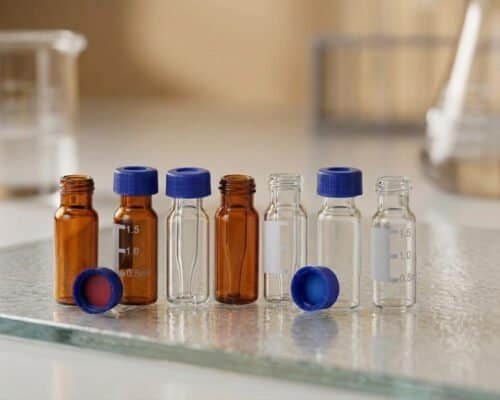
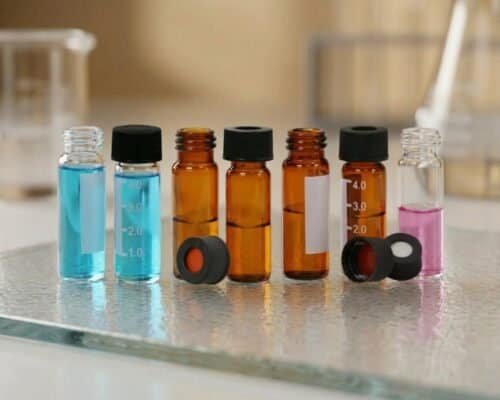
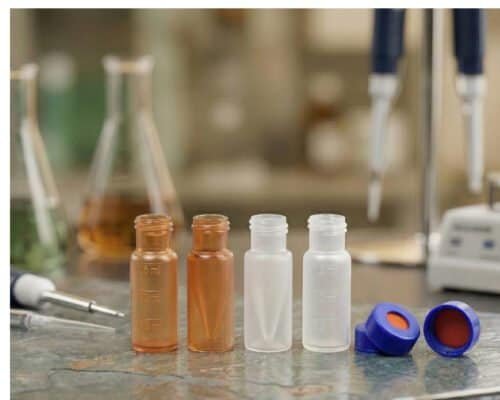
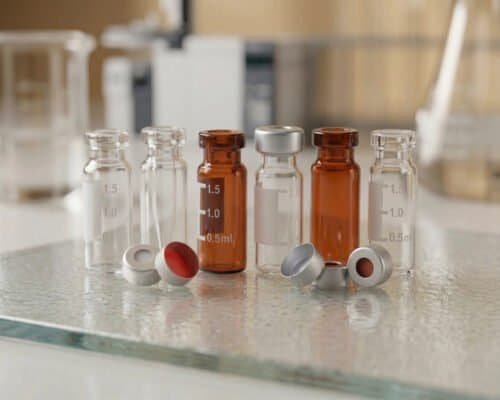
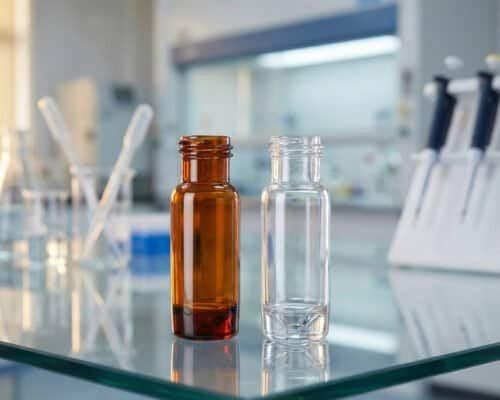
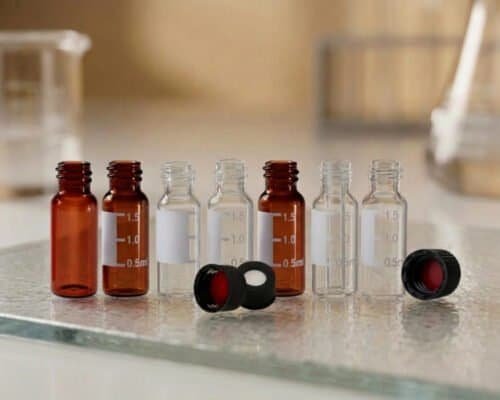
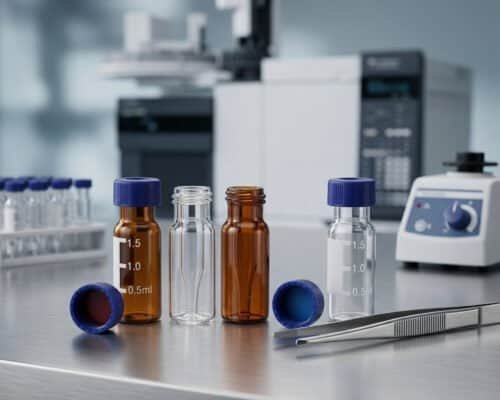
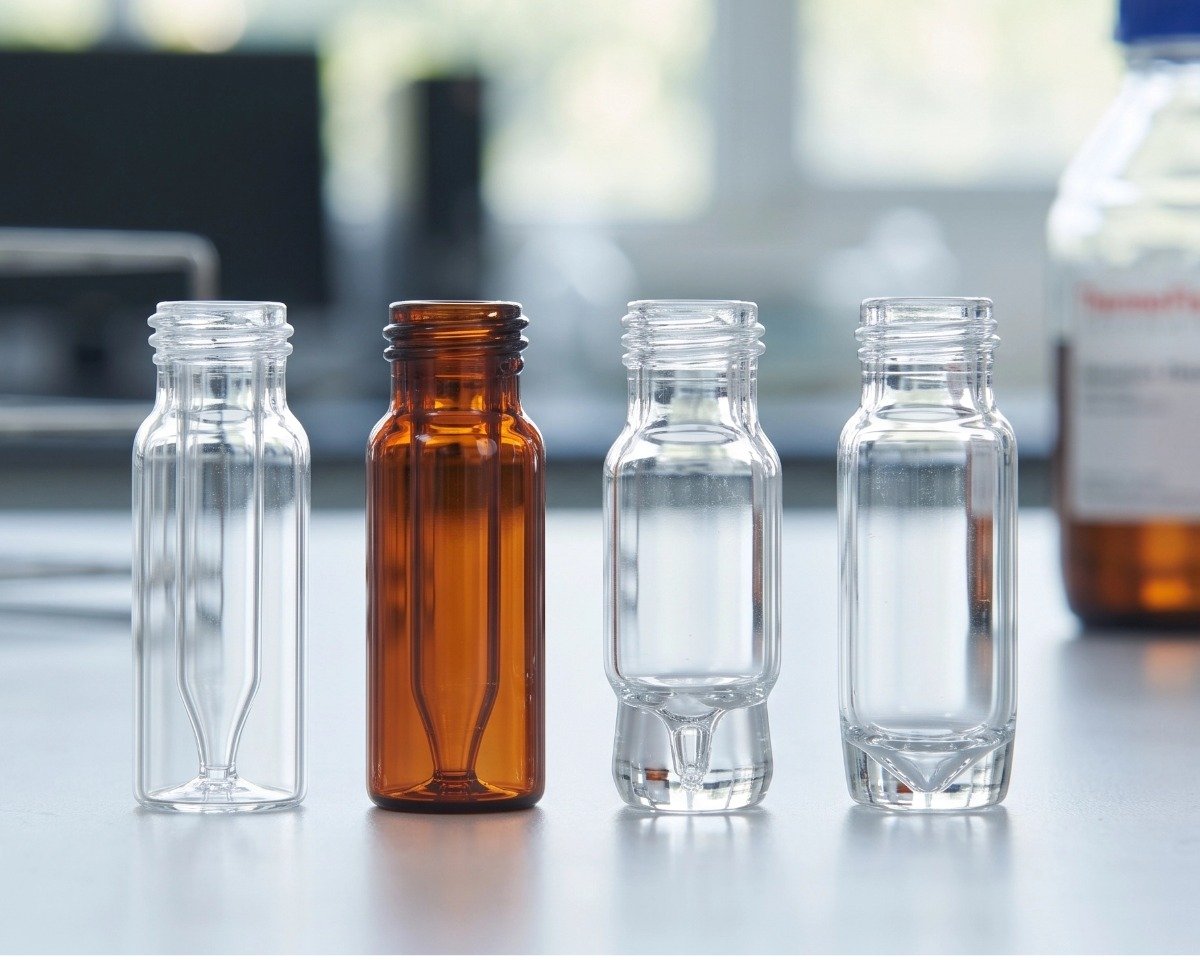
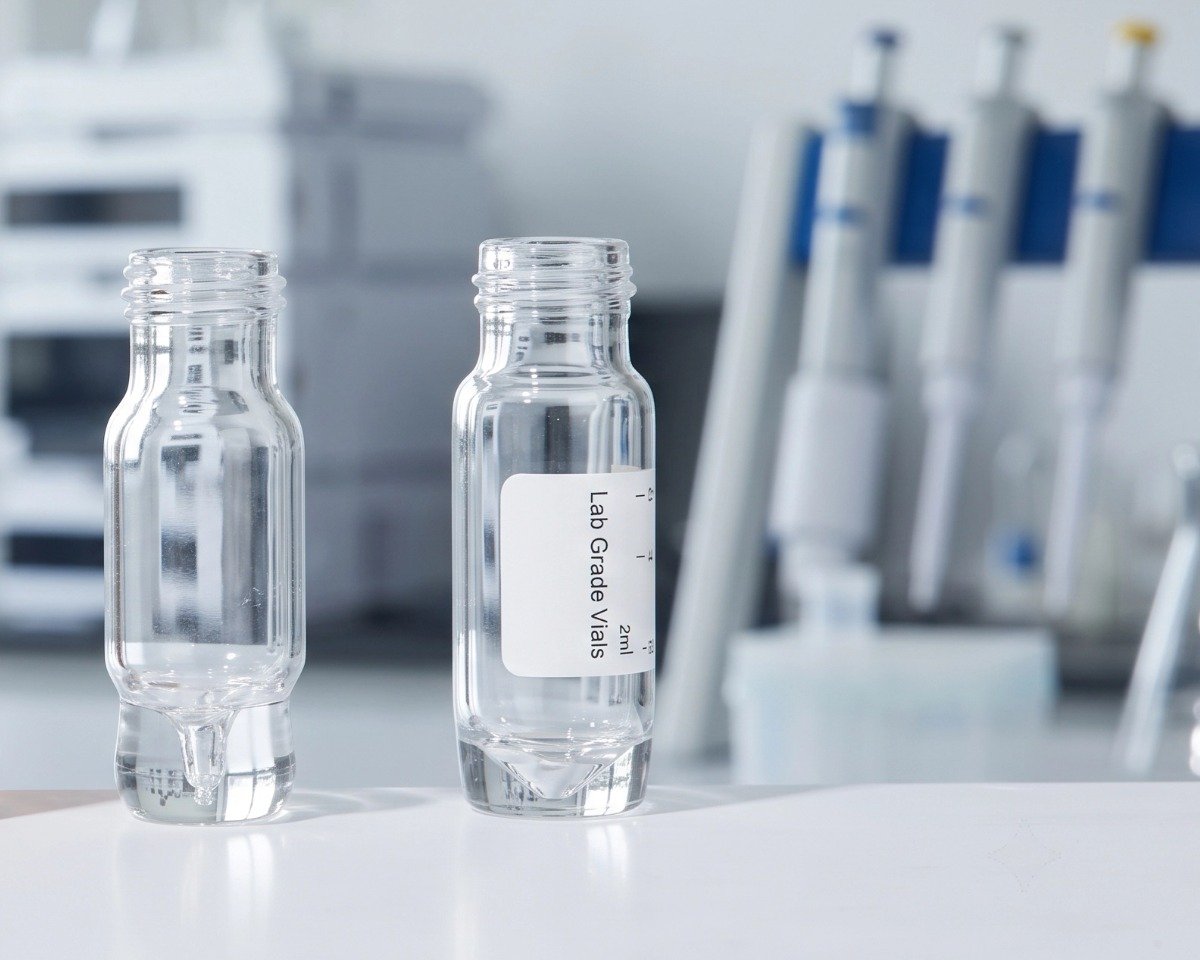
Mastelf 2mL ND9 Total Recovery Vials feature a 9-425 screw thread, standard 12 × 32 mm dimensions, and a precision conical reservoir for maximum sample recovery and ultra-low residual volume. Available in clear and amber Type 1 borosilicate glass, they are fully compatible with major autosampler systems and are ideal for HPLC, UHPLC, LC-MS, GC, and trace-level analytical applications.

Additional information

Brand

Mastelf

Material

Type 33, 51 and 70

Bottom Type

Flat Bottom

Writing Patch

Available

Color

Amber and Clear

Size

12x32mm

Silanized

No

Packing

Pakkaging in pp tray and plastic film covered

Volume

2mL

Additional(s)

ND9 Screw Neck

Our Mastelf 2mL ND9 Total Recovery Vials are specially designed for laboratories requiring maximum sample recovery, ultra-low residual volume, and high analytical precision. Featuring a 9-425 screw thread and standard 12 × 32 mm dimensions, these vials are fully compatible with most HPLC, UHPLC, GC, and LC-MS autosamplers.

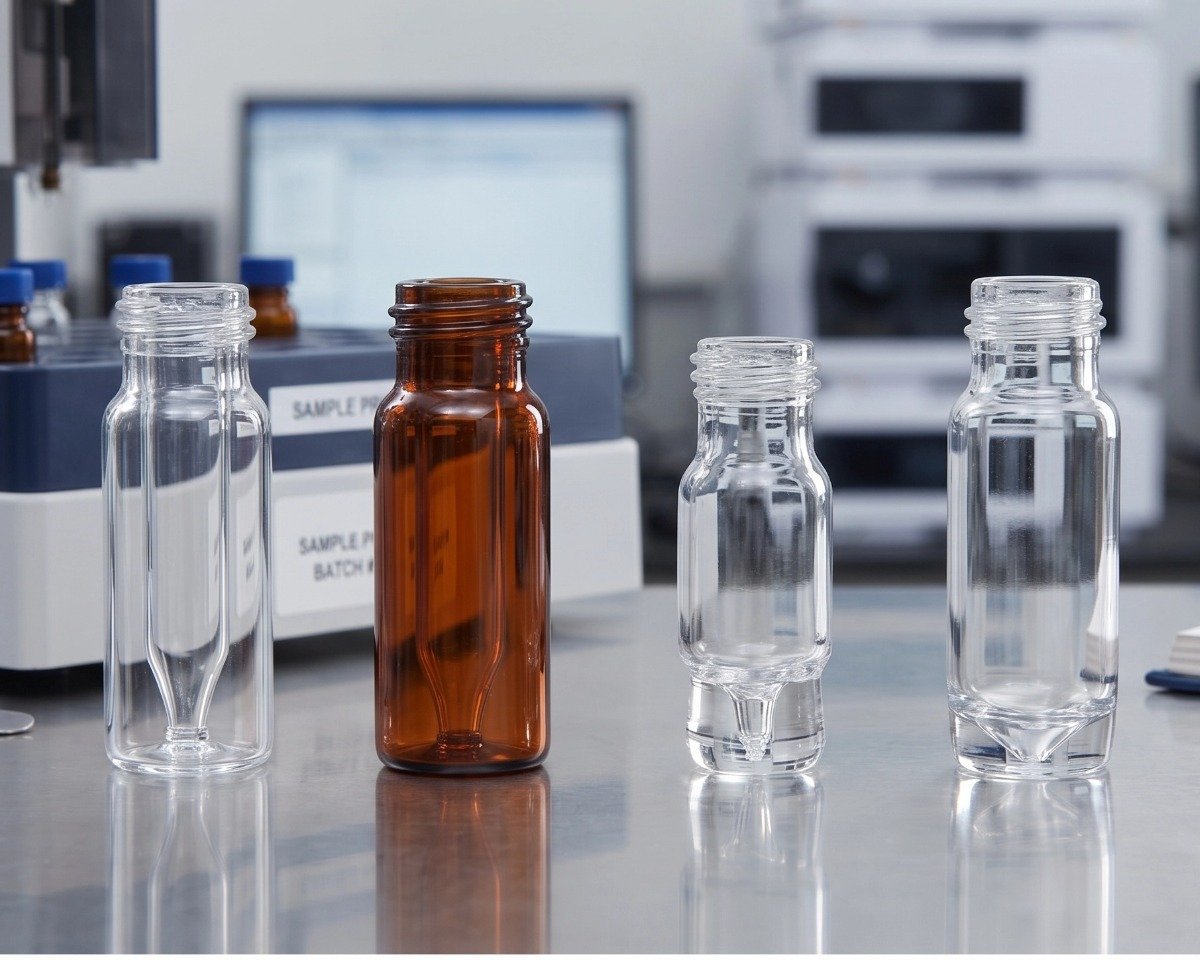
Unlike standard autosampler vials, the Total Recovery Vial incorporates a permanently formed conical reservoir at the bottom of the vial, concentrating the sample into the lowest point. This design allows the autosampler needle to withdraw nearly the entire sample, minimizing dead volume and reducing valuable sample loss.

Available in clear and amber glass, Mastelf Total Recovery Vials are ideal for trace analysis, biological samples, pharmaceutical research, forensic testing, environmental analysis, and other applications where every microliter matters.

Key Features

  • Standard 1mL autosampler vial
  • ND9 / 9-425 screw thread
  • Standard 12 × 32 mm dimensions
  • Total Recovery conical reservoir design
  • Ultra-low residual volume
  • Maximum sample recovery
  • Excellent for precious or limited-volume samples
  • Compatible with 9 mm screw caps and septa
  • Available in clear and amber glass
  • Suitable for HPLC, UHPLC, GC, LC-MS and GC-MS

Specifications

Item Description
Product Name 1mL ND9 Total Recovery Vial
Capacity 1mL
Effective Sample Volume Low-volume applications
Dimensions 12 × 32 mm
Neck Finish ND9 / 9-425
Material Type 1 Borosilicate Glass
Color Clear / Amber
Bottom Design Total Recovery Conical Reservoir
Closure 9mm Screw Cap
Application HPLC, GC, LC-MS, UHPLC

Total Recovery Design Advantages

The Total Recovery Vial is engineered to maximize sample utilization by incorporating a precision-molded conical reservoir inside the vial.

Compared with conventional flat-bottom autosampler vials, this design offers:

  • Maximum sample recovery
  • Extremely low residual volume
  • Improved injection reproducibility
  • Reduced sample waste
  • Better needle positioning
  • Higher analytical accuracy
  • Excellent performance for expensive or irreplaceable samples

The design is particularly recommended when working with:

  • Biological samples
  • DNA/RNA samples
  • Protein analysis
  • Pharmaceutical compounds
  • Clinical samples
  • Environmental trace analysis
  • Forensic samples
  • Limited-volume research samples

Comparison with Standard ND9 Vials

Feature ND9 Total Recovery Standard ND9 Screw Vial
Bottom Design Precision Conical Reservoir Flat Bottom
Residual Volume Ultra Low Standard
Sample Recovery Excellent Standard
Injection Accuracy Higher Standard
Suitable for Low Volume Samples Limited
Sample Waste Minimal Higher

Material & Color Options

Clear Glass

  • Excellent sample visibility
  • Ideal for routine laboratory analysis
  • Manufactured from Type 1 borosilicate glass

Amber Glass

  • Protects light-sensitive compounds
  • Reduces UV degradation
  • Ideal for pharmaceutical and biochemical samples

Compatible Caps & Septa

Our ND9 Total Recovery Vials are compatible with all standard 9mm screw caps, including:

  • PTFE / Silicone Septa
  • PTFE / Red Rubber
  • PTFE / White Silicone
  • Pre-slit PTFE / Silicone
  • Bonded Caps
  • Open-Top Screw Caps
  • Closed-Top Screw Caps

Compatible Autosamplers

Our 2mL ND9 Total Recovery Vials are compatible with autosamplers including:

Agilent

  • 1100
  • 1200
  • 1260 Infinity
  • 1260 Infinity II
  • 1290 Infinity
  • 1290 Infinity II
  • 7693A

Waters

  • 717
  • 717 Plus
  • 2690
  • 2695
  • Alliance
  • ACQUITY UPLC
  • 2707
  • 2767
  • 2777

Shimadzu

  • SIL-10A
  • SIL-20A
  • SIL-20AC
  • SIL-20A HT
  • SIL-30AC
  • SIL-30ACMP
  • Nexera Series
  • Prominence Series

Thermo Scientific

  • UltiMate WPS-3000
  • Accela Autosampler
  • TriPlus Series

PerkinElmer

  • Series 200
  • AS-100
  • AS-100B
  • AS-300

CTC Analytics / LEAP

  • PAL
  • PAL XT
  • PAL RTC

Other Compatible Brands

  • Bruker
  • Beckman
  • Hitachi
  • Varian
  • Jasco
  • Knauer
  • Spark Holland

Applications

Our ND9 Total Recovery Vials are widely used in:

  • HPLC / UHPLC Analysis
  • LC-MS / LC-MS/MS
  • GC Analysis
  • Pharmaceutical Research
  • Biotechnology
  • Clinical Laboratories
  • Environmental Analysis
  • Food Safety Testing
  • Proteomics
  • Metabolomics
  • DNA / RNA Analysis
  • Trace Analysis
  • High-value Sample Analysis

Why Choose Mastelf ND9 Total Recovery Vials?

At Mastelf, we develop laboratory consumables that combine precision manufacturing, premium raw materials, and strict quality control to meet the requirements of modern analytical laboratories.

Our Total Recovery Vials are manufactured from high-quality Type 1 borosilicate glass, ensuring excellent chemical resistance, dimensional consistency, and low extractables. The precision conical reservoir is engineered to minimize residual sample volume and improve injection reproducibility, making these vials an excellent choice for laboratories working with precious or low-volume samples.

As a trusted supplier of chromatography consumables, Mastelf provides dependable alternatives to leading brands while maintaining consistent product quality and reliable analytical performance.

FAQ

Q1: What is a Total Recovery Vial?

A Total Recovery Vial features a precision conical reservoir that concentrates the sample at the bottom of the vial, allowing nearly complete sample aspiration and minimizing residual volume.


Q2: What is the difference between a Total Recovery Vial and a standard ND9 vial?

A standard ND9 vial has a flat bottom, while a Total Recovery Vial incorporates a conical reservoir that significantly improves sample recovery and reduces sample loss.


Q3: When should I choose a Total Recovery Vial?

Total Recovery Vials are recommended for low-volume, high-value, trace-level, or difficult-to-obtain samples, where maximum sample utilization is essential.


Q4: Are these vials compatible with major autosamplers?

Yes. Mastelf 2mL ND9 Total Recovery Vials are compatible with major autosamplers from Agilent, Waters, Shimadzu, Thermo Scientific, PerkinElmer, CTC Analytics, and other leading manufacturers.


Q5: Are both clear and amber versions available?

Yes. We offer both clear and amber Type 1 borosilicate glass versions to meet routine laboratory applications and the storage requirements of light-sensitive samples.

Frequently Asked Questions

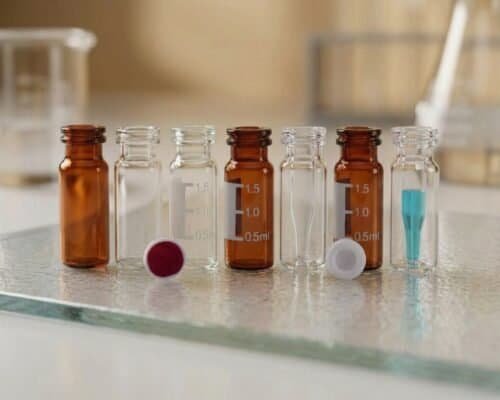
An autosampler vial is a small, specially designed container used in laboratory settings to hold liquid samples for automated injections into analytical instruments like chromatographs or mass spectrometers. Imagine it as a tiny, high-tech cup for your precious liquid samples!

Reusing vials and septa can mess up your chromatography and cause your assays to fail. You might have to redo the whole experiment, which can be time-consuming and frustrating.

Screw-top vials are the go-to for HPLC and LCMS. You don’t need any special tools to put the cap on or take it off. Crimp vials are the preferred choice for GC analysis. They’re the gold standard when it comes to preventing sample evaporation.

  • When it comes to vial material, glass is your go-to for sensitive HPLC work. But plastic has its moments too, like when you’re dealing with chemicals that don’t get along with glass, like hydrogen fluoride. 
  • Plastic vials are perfect for analyzing heavy metals, water, and proteins, and for capillary electrophoresis (CE) and ion chromatography (IC). 

High recovery vials are indeed a specific type of container used in laboratory settings, particularly in chromatographic analyses like HPLC and LCMS. They’re designed to minimize sample loss on the vial walls, meaning you get more of your precious sample available for injection and analysis, leading to potentially better results.

Here’s what makes high recovery vials special:

  • Surface treatment: Typically have a silanized or deactivated surface, which reduces the interaction between the vial wall and your sample molecules. This prevents sticking and adsorption, ensuring more of your sample remains available for analysis.
  • Vial shape: Some high recovery vials have a conical bottom to concentrate the sample at the bottom, making it easier to extract and inject the entire sample volume.
  • Closure design: Certain types might have a special cap liner that further minimizes sample loss through evaporation or interaction with the cap material.

When would you need to use high recovery vials?

  • Low-abundance samples: When you have limited sample volume or your analytes are present in trace amounts, maximizing sample recovery is crucial for accurate analysis.
  • Sticky analytes: Certain molecules tend to stick to glass surfaces, leading to sample loss. Using high recovery vials helps overcome this issue and improve analysis accuracy.
  • Sensitive assays: When your analysis requires accurate quantification of every available sample molecule, even small losses on the vial wall can significantly impact the results. High recovery vials minimize this risk.
  • Cost concerns: Repurchase or synthesis of expensive samples can be costly. High recovery vials help prevent the need for resampling by maximizing the available sample for analysis.

Things to consider when using high recovery vials:

  • Cost: High recovery vials are typically more expensive than standard vials.
  • Compatibility: Ensure the vials are compatible with your autosampler and analytical instrument.
  • Storage: Choose appropriate storage conditions based on your sample and vial material.

Overall, high recovery vials are a valuable tool for any chromatographer seeking to maximize sample recovery, improve analysis accuracy, and potentially reduce costs in the long run. If you’re working with limited samples, sticky analytes, or sensitive assays, consider using high recovery vials for optimal results.

Ask For A Quick Quote

We will contact you within 1 working day, please pay attention to the email with the suffix “@mastelf.com”